
Sewer Line Inspection and Repair on Baldwinsville Laterals
Do not date your lateral from the treatment plant. The plant is from 1982 and the network feeding it is older, which is exactly why a survey beats an assumption here.
Sewer Line Repair quote in Baldwinsville
Share a few details so we can confirm coverage and arrange the right next step.
Would you rather talk it through? Call (315) 640-3590, answered 24/7.
$100 off your first job
Credited by us on your first booked job.
- One credit per customer per property, on your first booked job.
- Valid through December 31, 2026.
Mention this offer when you book. Full terms.
What a Baldwinsville survey should return, and what follows
Weigh the outcome you are buying. A survey should give you the pipe material, the state of the joints, any root intrusion, any belly holding water, and the distance from the house to the fault marked on the ground above it, because that distance decides how much yard or driveway a repair involves. Then weigh the routes. Where the host pipe still holds shape, replacement by pipe bursting is a code-recognized method, limited to gravity drainage piping of six inches and smaller in high density polyethylene of the same nominal size, with recorded camera surveys before and after. And weigh the clock, since a new lateral connection or the re-use of an existing one goes through county Capacity Assurance with feedback or approval within 45 days.
Date the pipe, not the plant
The 1982 plant replaced older plants that became pump stations. Nothing about that date tells you what is under your yard, and only a survey does.
Ask for the fault to be marked on the ground
A sonde in the camera head lets the fault be located and depth marked from the surface, which turns a description into a spot you can stand on and price accurately.
Approval runs on a 45 day window
County Capacity Assurance covers new lateral connections and the re-use of an existing lateral, with feedback or approval inside 45 days and a possible inflow offset condition attached.
Seneca Knolls in 1982, and what a survey adds to it
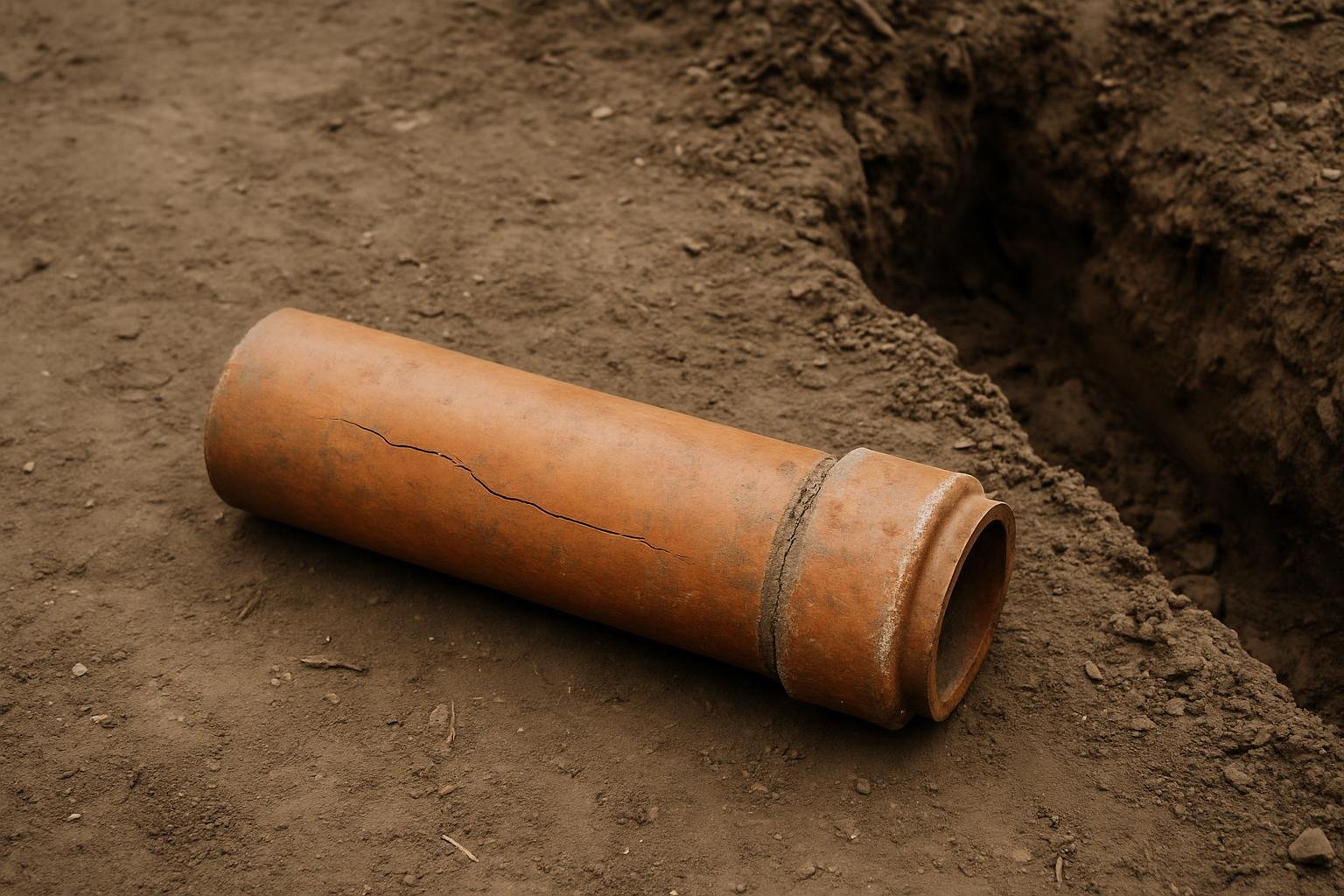
The Baldwinsville-Seneca Knolls wastewater treatment plant at 7737 Barbara Lane, completed in 1982, modernized wastewater treatment for the northwest suburbs of Onondaga County and replaced several aging and deficient plants serving the towns and villages on both sides of the Seneca River. The older plants it replaced were converted into pump stations by the county.
Source: Onondaga County Department of Water Environment Protection, accessed 2026-09-08
Section P3010 of the New York residential code governs replacement of building sewers and building drains by pipe bursting. It limits the method to gravity drainage piping of 6 inches and smaller, requires the replacement to be the same nominal size, requires high density polyethylene pipe to ASTM F714, requires an internal recorded video camera survey both before and after the work, requires the after survey to be reviewed and approved by the building official before pressure testing, and requires cleanout fittings to be installed where the existing sewer did not have them. Section 3011 sets out the parallel rules for PVC fold and form replacement.
Source: 2020 Residential Code of New York State, Sections P3010 and 3011, via UpCodes, accessed 2026-09-08
WEP states that Capacity Assurance reviews are required for all new lateral connections to existing sewer mains and for the re-use of existing laterals, before the work can be reviewed and approved by the Onondaga County Health Department and a permit issued by WEP Plumbing Control. Submissions go through the county's OpenGov portal and feedback or approval is provided within 45 days. An offset plan to address stormwater and groundwater inflow and infiltration may be required as a condition of approval.
Source: Onondaga County Department of Water Environment Protection, accessed 2026-09-08
What sewer line repair involves
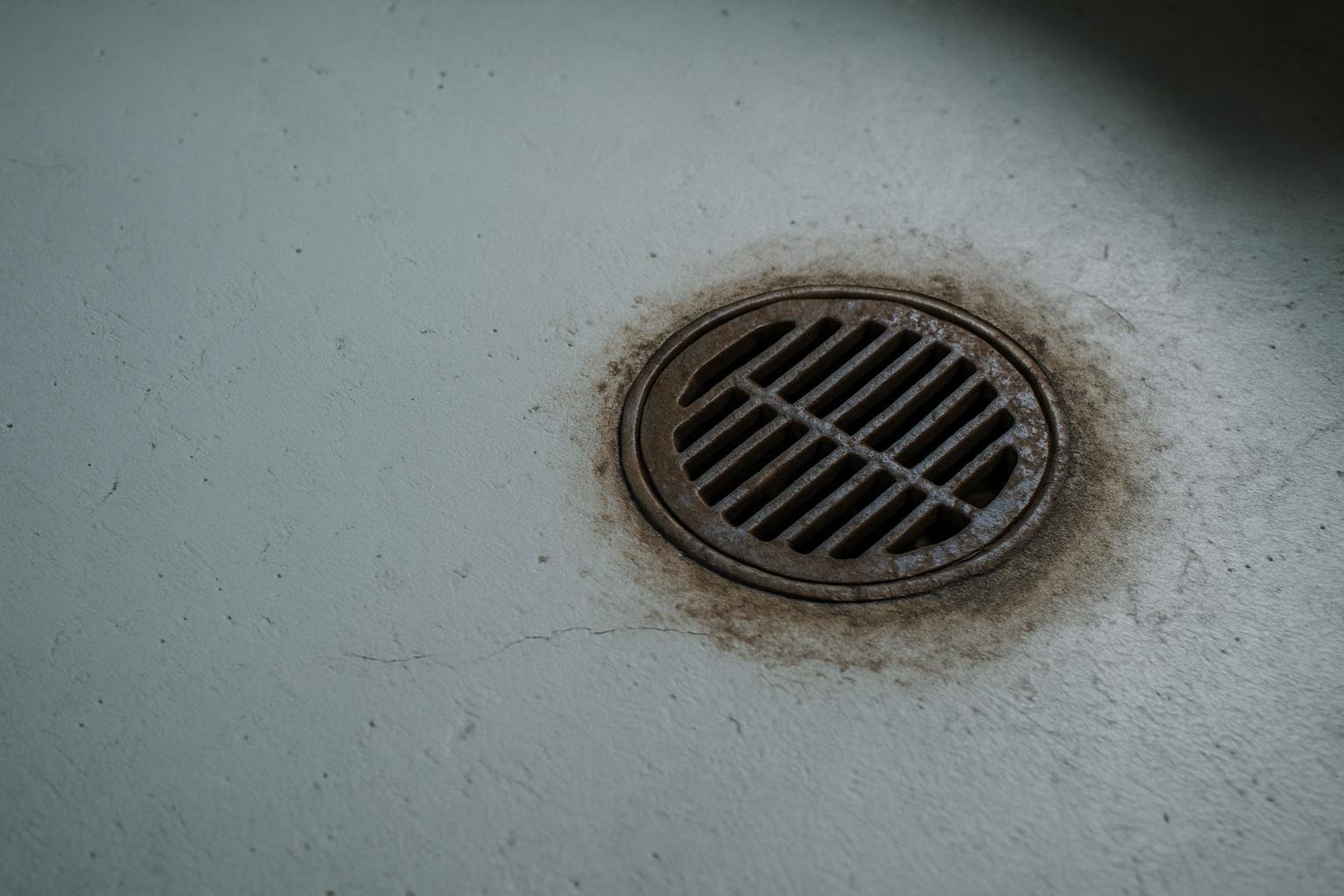
Why the 1982 plant date tells you nothing about your pipe
The Baldwinsville-Seneca Knolls wastewater treatment plant on Barbara Lane was completed in 1982 and modernized treatment for the northwest suburbs of Onondaga County, replacing several aging and deficient plants serving the towns and villages on both sides of the Seneca River, which the county then converted into pump stations. A new plant does not mean new pipe. The collection network that feeds it was laid out for the system it replaced, and your own lateral is older or younger than either depending only on your house. A recorded camera survey is what replaces all of that guesswork with a material, a condition and a distance.
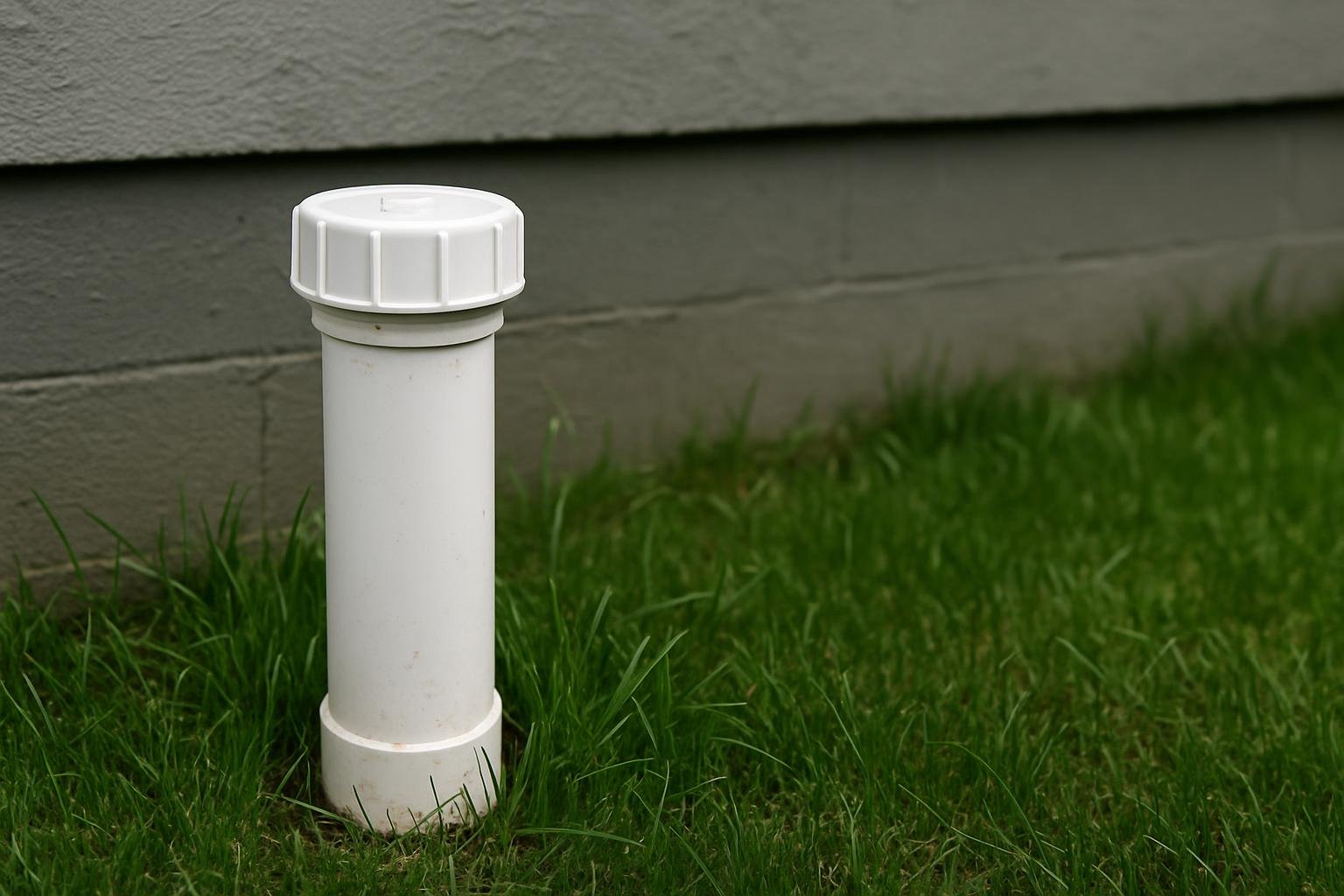
Guessing at the age of your line?
Tell us the age of the house and we will say what a survey should establish before anyone quotes.
What Baldwinsville owners ask before a lateral is priced
The treatment plant is modern, so why would my line be a problem?
Because they are different things. The Baldwinsville-Seneca Knolls plant was completed in 1982 and replaced several aging plants on both sides of the Seneca River, which were then converted into pump stations, but the collection network around them was laid out for the earlier system and your building sewer is as old as your house. Treatment capacity and pipe condition are unrelated.
Can a Baldwinsville lateral be replaced without a full trench?
Where the pipe suits it, yes. The New York code has a section for replacement by pipe bursting, limited to gravity drainage piping of six inches and smaller and requiring high density polyethylene of the same nominal size, with an internal recorded camera survey both before and after, the after survey reviewed and approved by the building official before pressure testing, and cleanout fittings installed where the existing sewer had none.
Get the Baldwinsville lateral surveyed first
Send your ZIP code and what you have been told. There is no obligation, and we will set out the order of work.