
Syracuse and the surrounding New York area
Sewer Backup and Basement Flooding in Syracuse
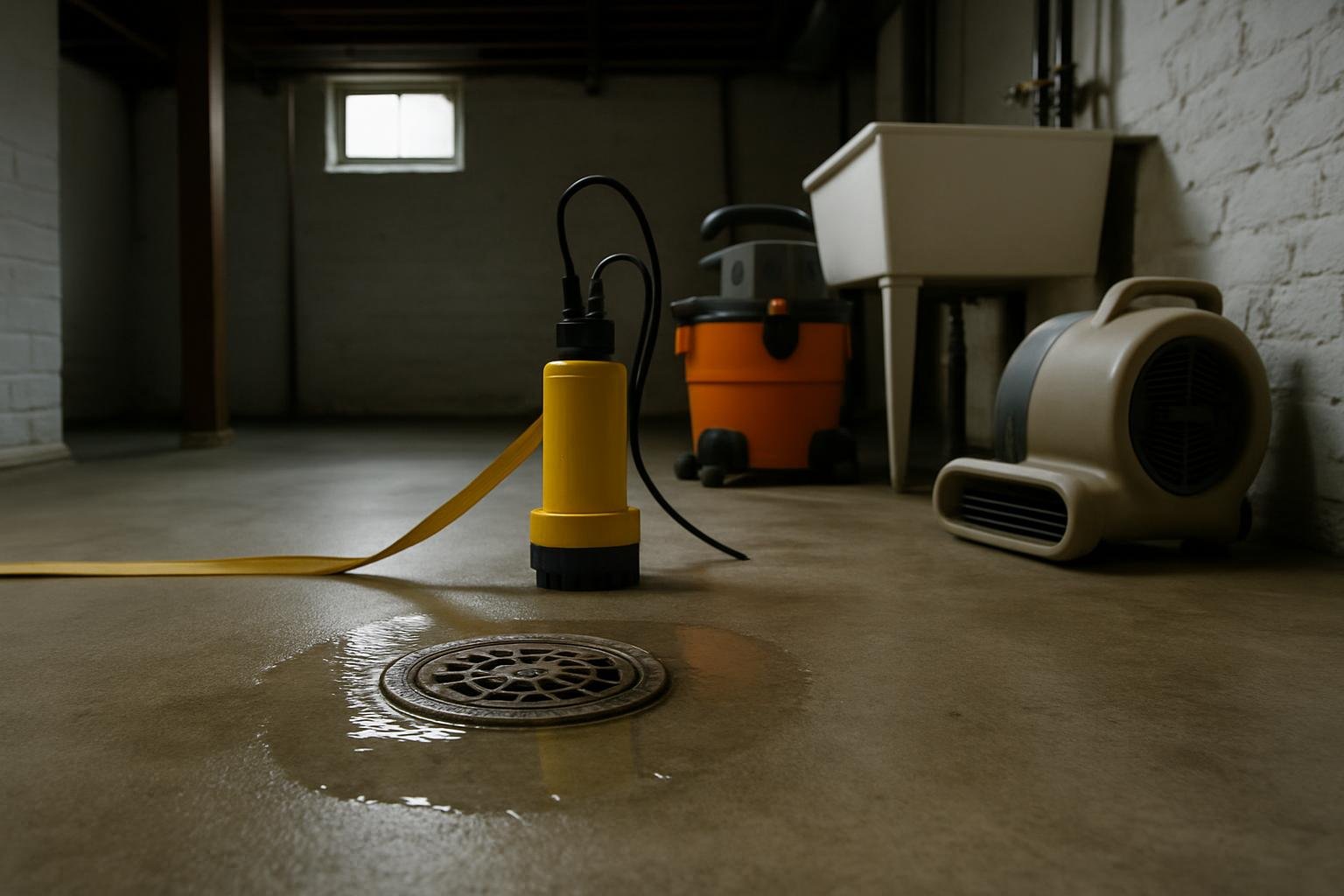
Get the line open and the house draining again, then establish whether the water came from your own lateral or from the system in the street.
Sewer Backup quote
Tell us what is backing up, where in the house, and whether it is raining. Phones are answered 24/7, those three answers decide who should be sent and what they should bring, and we will put you in front of licensed, insured contractors.
Would you rather talk it through? Call (315) 640-3590, answered 24/7.
$100 off your first job
Credited by us on your first booked job.
- One credit per customer per property, on your first booked job.
- Valid through December 31, 2026.
Mention this offer when you book. Full terms.
What is coming up, and where it is coming from
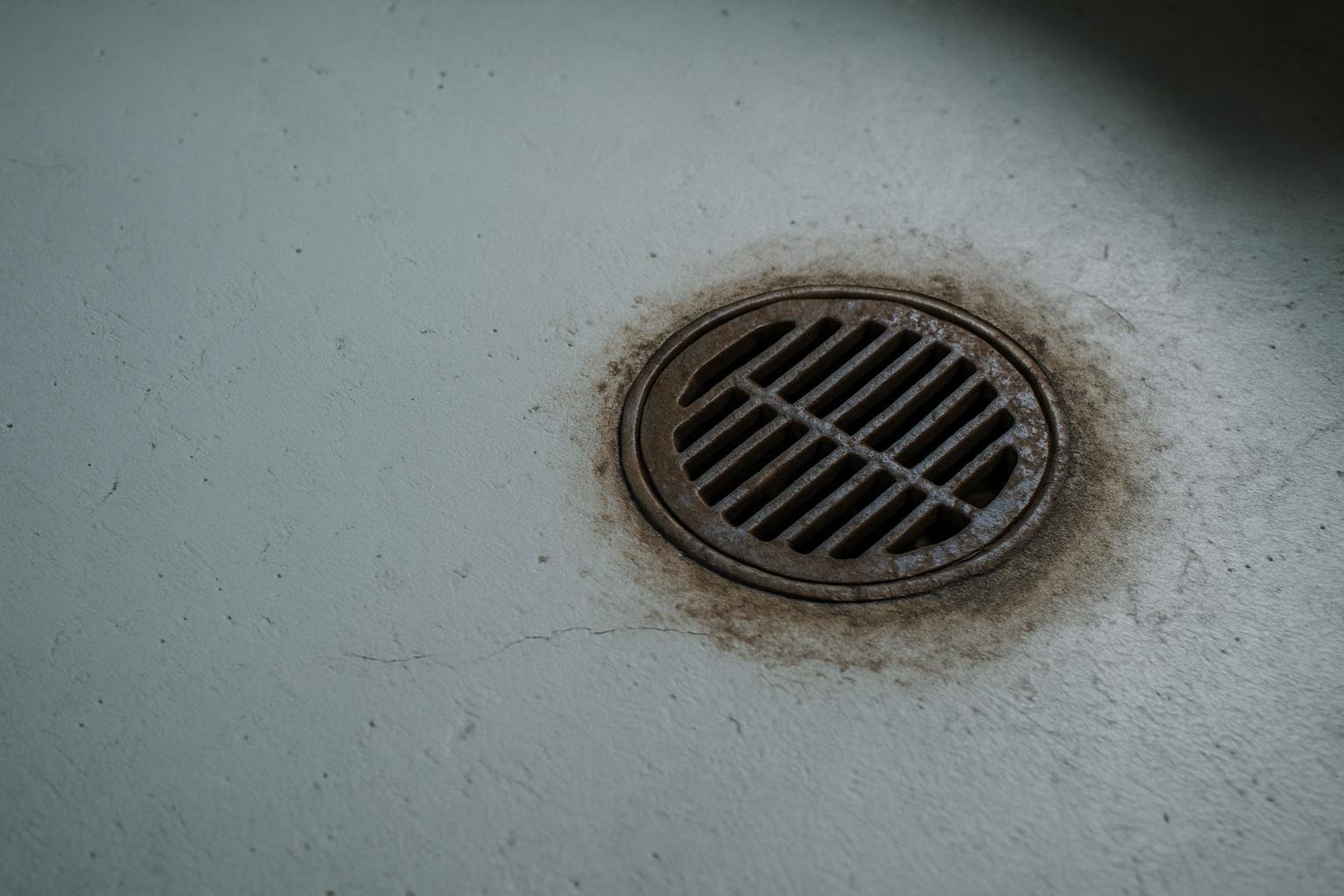
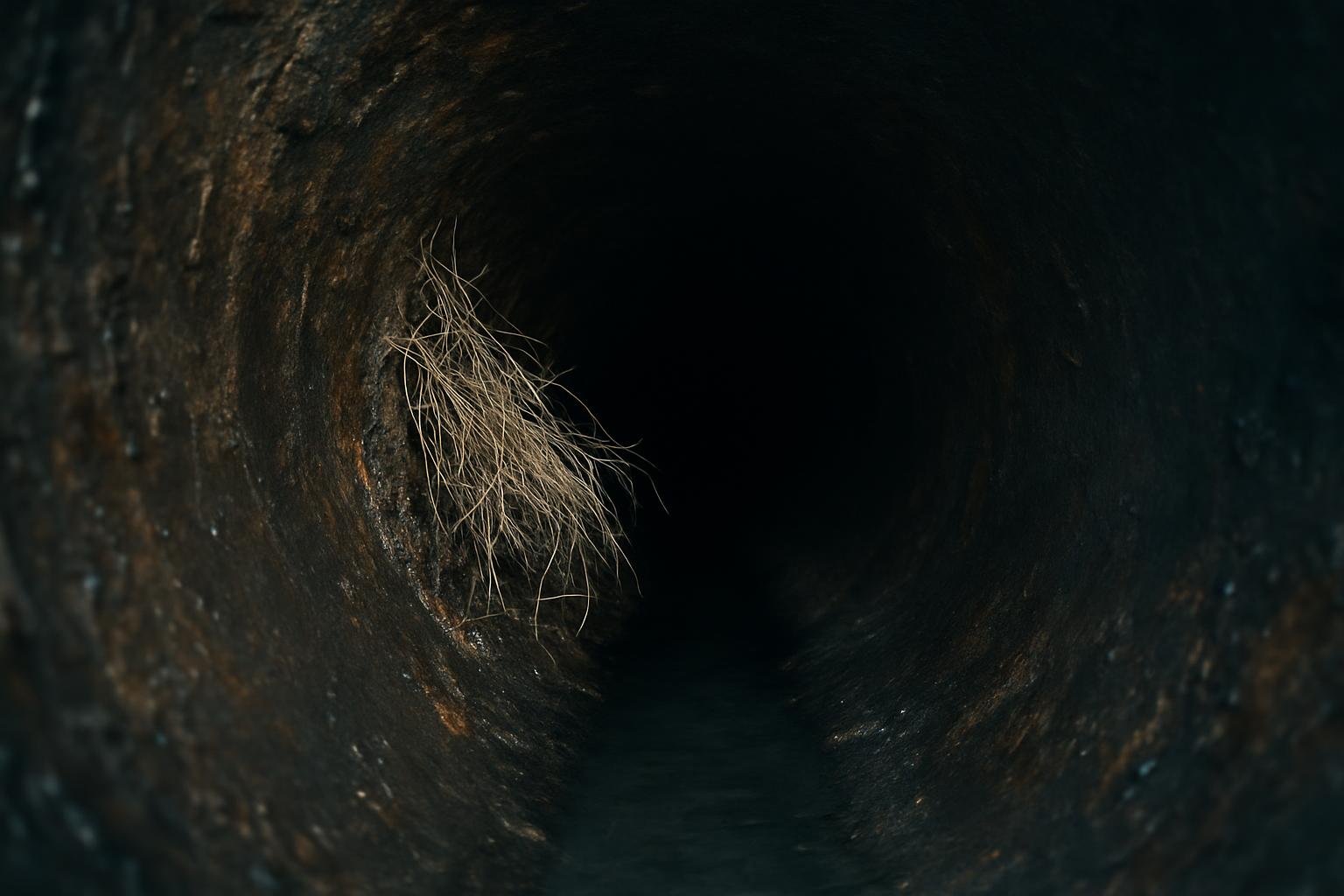
A sewer backup is wastewater returning into the house through the lowest opening it can find, usually a basement floor drain, a laundry tub or a first floor toilet. The first job is to get the line open and the house draining. The second is to work out which of two completely different things happened, because they have different answers and different owners. Either the private lateral is blocked, in which case the water is yours and it stops when the pipe is opened, or the public system is surcharged, in which case it is arriving from the street and nothing done inside the house will hold it back while the surcharge lasts. Onondaga County WEP names three causes of a basement backup: a blockage in the sewer line, inflow during heavy rainfall overwhelming the system, and tree roots infiltrating the pipe. Settling which one it was, on the day, is what stops it happening again next spring.
- Opening a blocked lateral so the house drains again
- Establishing whether the event was a private blockage or a surcharge in the public system
- Backwater valve installation, and the code test for whether the house needs one at all
- Plugs and one-way devices for a basement floor drain that connects to the sanitary sewer
- Finding sump pumps, roof drains and gutters wrongly connected into the sanitary line
- Removing or redirecting a basement sewer connection the house does not need
- Sump and effluent pump work where a basement has no gravity route out
- Recording what happened, including the public timestamp on any overflow the system reported
What decides a backup job
Getting the line open is the same everywhere. What happens next depends almost entirely on where the water came from, and these are the things that answer it.
Whether it happened in the rain
It is the fastest way to separate a private blockage from a system event. Syracuse takes 38.47 inches of precipitation a year under the NOAA normals, but only 5.3 days a year bring an inch or more, and those are the days a combined sewer is under real pressure. A backup that happens in dry weather, and then happens again, is your lateral. The county reported 97.7 percent capture of combined flow for 2018 system conditions, so an overflow is the exception rather than the routine.
Which municipality the house stands in
WEP states that in Onondaga County the City of Syracuse has a combined sewer system, sewage and stormwater in one pipe, while the other municipalities have separate storm and sanitary systems. That is not a technicality. Inside the city, heavy rain and snowmelt can surcharge the pipe your house drains into. In Clay or Cicero there is no rainfall path into the sanitary sewer to begin with, so treating a wet basement there as a combined sewer problem spends money on the wrong thing.
How low the basement fixtures sit
There is a code test and it is a comparison of two elevations, not a matter of opinion. Section P3008.1 of the New York residential code requires a backwater valve where the flood level rims of fixtures are below the elevation of the manhole cover of the next upstream manhole in the public sewer. A basement fixture lower than the manhole cover up the street is the definition of a fixture the sewer can back up into.
Whether anything on the property is feeding stormwater into the sanitary line
WEP's prevention list starts with checking for sump pumps, roof drains and gutters wrongly connected to the sanitary sewer, and the EPA names those connections among the causes of overflows. In the Bishop Brook basin it is more than advice: the county's work there supports an Order on Consent with the state requiring investigation and reduction of inflow and infiltration, and a camera crew has been inspecting manholes and lines for signs of it.
The time of year
Syracuse averages 123.8 inches of snow a year on top of its rainfall, and the ground surface crosses freezing in both directions on roughly 84 days. A thaw on frozen ground puts almost all of that water on the surface at once. A basement that floods in a March warm spell but stays dry through a summer downpour is describing surface water and frozen ground, not a blocked pipe.
What the water touched
Federal advice on this is not to dry it out. The EPA states that where basements flood with sewage the damaged area must be thoroughly cleaned and disinfected, and that rugs, curtains, flooring, wallboard and upholstered furniture that contact sewage usually must be replaced. That is a separate trade from the pipe work, and it belongs in the plan on day one rather than in an argument three weeks later.
Whether the address sits on a pumped basin
North Syracuse, a large section of the Town of Clay and part of Cicero drain north to the Oak Orchard plant through gravity sewers and pumping stations, and northern Cicero drains instead to Brewerton through a chain of pump stations. In a pumped basin, a main that has stopped moving is a county problem with a county phone number rather than a plumbing bill, and the county's own hazard plan lists two Clay pump stations as exposed to flooding.
Is it still coming up?
Tell us what is backing up and where in the house, and we will get this moving.
What to do now, and the order the rest runs in
Stop putting water into the line
No dishwasher, no washing machine, no showers, no flushing. Everything that goes down while the line is blocked comes back up in the same place. This applies just as much in a house that already has a backwater valve, because WEP's own warning is that while the valve is holding back a surcharge it is also stopping flow leaving the house.
Stay out of the water
Sewage is a health hazard and the federal guidance for a basement that has flooded with it is cleaning and disinfection, not drying. If the water is anywhere near an outlet or an appliance, kill power to that area at the panel. Everything else waits until someone is there.
Open the line
A cable or a jetter through the cleanout, working the full diameter of the pipe rather than punching a channel through the middle of the obstruction. If the house drains the moment the lateral is opened, the water was yours and the blockage was the whole story.
Find out whether it was your pipe or the system
For a property in the Consolidated Sanitary District, the county inspects the public side, from the cleanout in your yard out to the road, with no direct charge for the visit. For a City of Syracuse address the same call goes to the City Department of Public Works. And if the backup coincided with heavy rain there is a public record to check: New York's Sewage Pollution Right to Know Act requires a discharge of untreated or partially treated sewage, a combined sewer overflow included, to be reported to the state and the local health department within two hours of discovery and made public within four.
Put a camera down the line
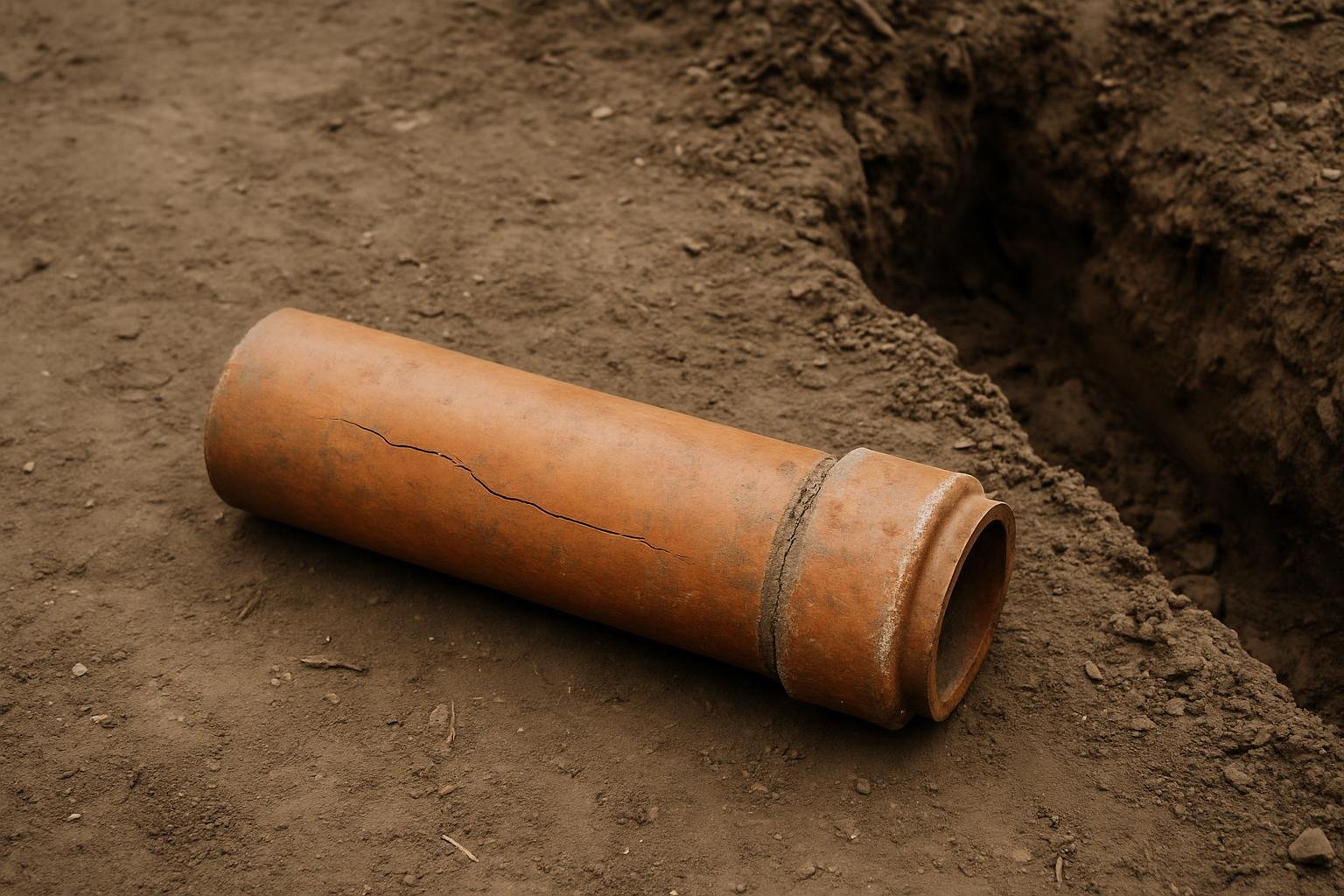
Once it is flowing, the camera says whether this was a one off or a pipe with a reason to do it again: an open joint, roots already back, a belly holding water, or a section that has lost its shape. That is the difference between a bill and a plan.
Clean and disinfect, and accept what has to go
The federal list of what usually has to be replaced after contact with sewage is rugs, curtains, flooring, wallboard and upholstered furniture. Deciding that in week one costs less than deciding it after a month of smell, and it is the part homeowners most often try to save and least often succeed at.
Decide what stops the next one
The county's prevention list, in its own order: keep fats, oils, grease and wipes out of the drain, check for sump pumps, roof drains and gutters wrongly connected to the sanitary sewer, eliminate or redirect an unneeded basement sewer connection, plug or fit a one-way device to a basement floor drain, and have a licensed plumber install a backwater valve, which then has to be inspected and cleaned regularly. The code adds one more condition worth holding the installer to: the valve has to go in so its working parts stay accessible.
What sewer backup looks like
Where this service starts and stops
When you may not need this at all
- If the water is clear and rising through the floor rather than out of a drain, this is surface water or groundwater and not a sewer problem at all. On some streets here that is already on the record. The Village of East Syracuse annex to the county hazard plan states that parts of the village have no storm sewers at all, and names Hartwell Avenue, East Second Street, West Second Street, East Yates Street, East Manlius Street, East First Street and Manlius Center Road as consistently affected.
- If the property is in the Consolidated Sanitary District, have the county look at the public half before you pay anyone. WEP inspects from the cleanout or vent pipe in your yard out to the road and into the public sewer, there is no direct charge for the visit, and the homeowner does not need to be present. A City of Syracuse address calls the City Department of Public Works for the same thing, and an address outside the district calls its own town or village.
- If it happened during a storm, check the public record before assuming your pipe failed. Every discharge of untreated or partially treated sewage in this state, a combined sewer overflow included, has to be reported to the Department of Environmental Conservation and the local health department within two hours and made public within four. Twenty combined sewer overflows in this county were still operational at the end of 2018, ten of them on Harbor Brook and nine on Onondaga Creek.
- If the basement only takes water during a March thaw and never in a summer downpour, a sewer contractor is probably the wrong call. Over ten feet of snow melts into this drainage system every year, most of it in a few thaws, and on frozen ground almost all of it arrives at the surface at once.
- If the address is outside the Consolidated Sanitary District, the county emergency line will not cover it. The Village of Skaneateles runs its own sewer system and treatment plant and has its own service line, and the county's own warning is that being inside the district does not by itself mean a given property is served by public sewer.
What is out of scope
- Contents restoration and structural drying. Carpet, drywall, insulation and furniture are a separate trade, and the federal advice is that most of it is replaced rather than dried out.
- Handling an insurance claim, or deciding what a policy will pay.
- The public main and anything past the curb line, which is demonstrated and reported to the municipality.
- Storm drainage, surface grading, downspout runs and footing drains.
- Asbestos-cement and bituminized fiber pipe, which New York regulates separately from ordinary plumbing work.
- Septic tanks, distribution boxes and leach fields.
- Excavation and lateral replacement, which follow a camera survey rather than an emergency call.
Where we arrange sewer backup work
- Sewer Backup in Syracuse
- Sewer Backup in North Syracuse
- Sewer Backup in East Syracuse
- Sewer Backup in Liverpool
- Sewer Backup in Cicero
- Sewer Backup in Clay
- Sewer Backup in Salina
- Sewer Backup in DeWitt
- Sewer Backup in Manlius
- Sewer Backup in Fayetteville
- Sewer Backup in Camillus
- Sewer Backup in Baldwinsville
- Sewer Backup in Marcellus
- Sewer Backup in Skaneateles
- Sewer Backup in Jamesville
- Sewer Backup in Solvay
What people ask when the basement is backing up
Sewage is coming up right now. What do I do first?
Stop everything that puts water into the drains: no flushing, no showers, no washing machine, no dishwasher. All of it comes back up in the same place while the line is blocked. Keep people and pets out of the water, and if it is near an outlet or an appliance, turn off power to that part of the basement at the panel. Then call. Phones are answered 24/7 and the three things worth having ready are what is backing up, where in the house it is, and whether it is raining outside.
It only backs up when it rains hard. Is that still my pipe?
Often not, and it is worth knowing which before you buy anything. WEP states that the City of Syracuse has a combined sewer system, sewage and stormwater in one pipe, while the other municipalities in the county have separate storm and sanitary systems. Only about 5.3 days a year here bring an inch of rain or more, and those are the days a combined system is under pressure. Twenty combined sewer overflows were still operational at the end of 2018, ten on Harbor Brook and nine on Onondaga Creek, and every discharge has to be made public within four hours of discovery. A backup that lines up with a reported event is a different argument from one that does not.
Do I need a backwater valve?
The code answers it with a measurement rather than an opinion. Section P3008.1 of the New York residential code requires a backwater valve where the flood level rims of plumbing fixtures are below the elevation of the manhole cover of the next upstream manhole in the public sewer. Where fixtures sit above that elevation, the valve has to be a normally open type, and in all cases it must be installed so its working parts stay accessible. Two conditions come with it. WEP requires it to be inspected and cleaned regularly, and warns that while the valve is holding back a surcharge it is also stopping flow leaving the house, so it needs a household rule as well as a fitter.
Who pays for this?
It depends which side of a line in the ground the fault sits on, and that is establishable. The county's plumbing requirements have sewer lateral repairs reconstructed to the curb line, and where an obstruction in the lateral cannot be cleared and lies under the street bed, the licensed plumbing contractor is to contact the City sewer department and demonstrate it rather than dig. Inside that line, the pipe is yours. Fayetteville, North Syracuse and East Syracuse all say so in identical words in their own codes: all costs and expense incident to the installation and connection of the building sewer are borne by the owner, who also indemnifies the village against loss.
Can I keep the carpet and the drywall?
The federal position is that usually you cannot. The EPA states that where basements flood with sewage the damaged area must be thoroughly cleaned and disinfected, and that rugs, curtains, flooring, wallboard and upholstered furniture that contact sewage usually must be replaced. That is unwelcome and it is also the cheaper answer, because the alternative is paying to dry material that has to come out anyway. Photograph everything before it moves, and note the time the backup started, because that timestamp is what lines your event up with any reported system discharge.
Tell us what is backing up, and where
That, plus whether it is raining, is most of the triage done.