
Sewer Line Cleaning on DeWitt Laterals, Era by Era
DeWitt carries both of this county's pipe problems inside one town line, so what a cleaning is looking for depends on which street you are on rather than which town.
Sewer Line Cleaning quote in DeWitt
Share a few details so we can confirm coverage and arrange the right next step.
Would you rather talk it through? Call (315) 640-3590, answered 24/7.
$100 off your first job
Credited by us on your first booked job.
- One credit per customer per property, on your first booked job.
- Valid through December 31, 2026.
Mention this offer when you book. Full terms.
The DeWitt split, and the drainage district it sits in
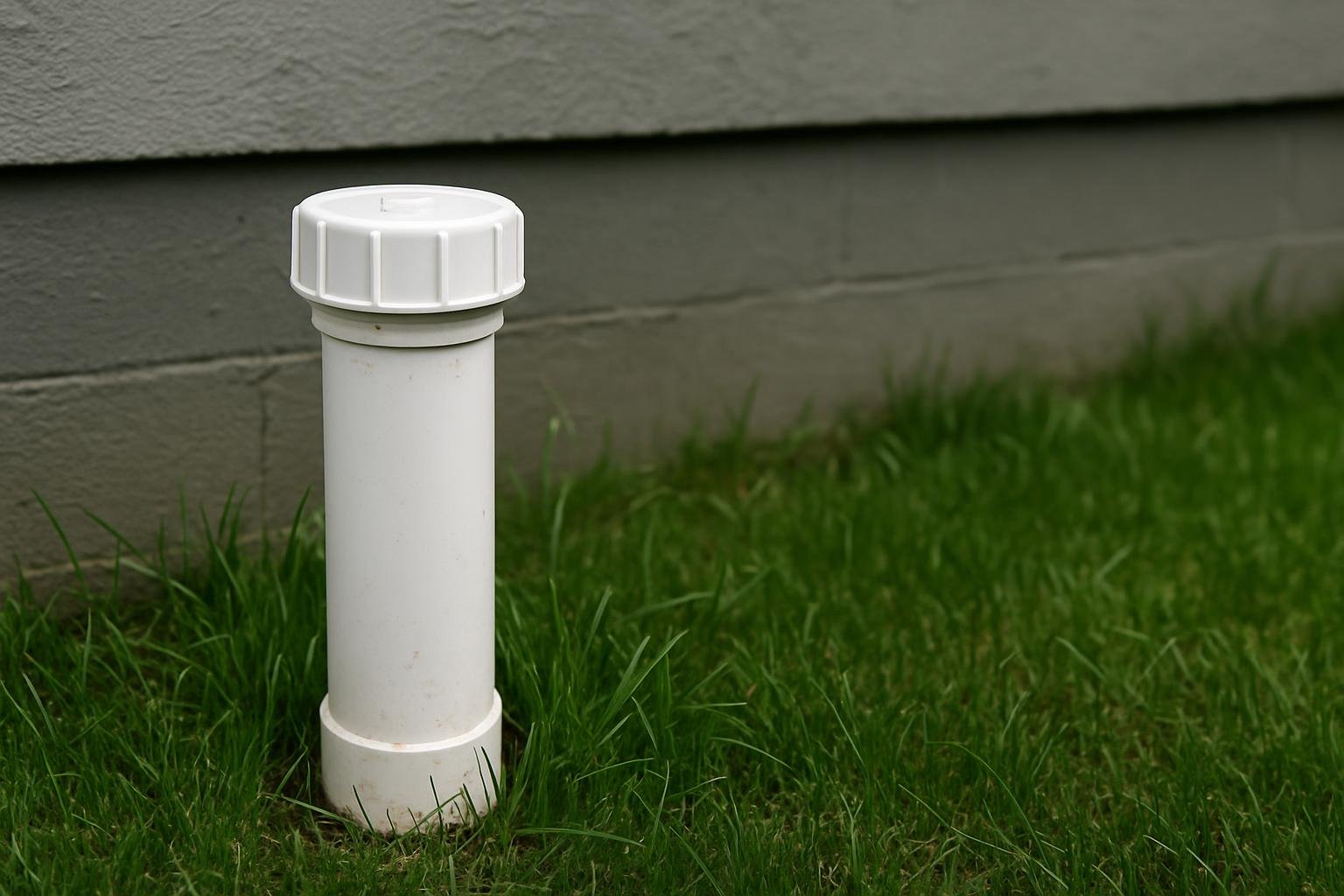
WEP's Flood Control division maintains four county drainage districts, mapped to specific municipalities: Harbor Brook and Meadow Brook in the City of Syracuse, Bloody Brook in the Town of Salina and the Village of Liverpool, and Bear Trap and Ley Creek in the towns of DeWitt and Salina, the Village of East Syracuse and the City of Syracuse. Crews mow, trim, remove woody vegetation and debris and inspect infrastructure to keep these waterways unobstructed, and licensed contractors apply herbicide each spring.
Source: Onondaga County Department of Water Environment Protection, accessed 2026-09-08
Share of housing built before 1950 in the towns of Onondaga County: Skaneateles 42.5 percent, Geddes 37.5, Marcellus 36.4, DeWitt 24.5, Salina 24.3, Onondaga 17.1, Van Buren 15.8, Manlius 14.8, Lysander 14.3, Cicero 10.6, Camillus 9.2 and Clay 5.6, against a county figure of 28.5 percent. The 1940 to 1969 shares run the other way: Camillus 53.4 percent, Geddes 51.6, Salina 47.7, DeWitt 43.3, Manlius 36.2, Skaneateles 33.4, Onondaga 33.0, Van Buren 32.9, Cicero 31.4, Clay 29.4, Marcellus 26.5 and Lysander 17.9, against a county figure of 34.8 percent.
Source: US Census Bureau, American Community Survey 2020-2024 5-year, table B25034, accessed 2026-09-08
The EPA's own analysis of sanitary sewer overflows states that more than 70 percent of the overflows studied were attributed to line or main breaks or to line blockages, that most breaks were reported in old pipes, and that of the line blockages reported the most common cause was buildup of oil and grease with tree root intrusion the second most important cause. It adds that systems not routinely cleaned and repaired experience more frequent clogged and collapsed lines from root growth and from accumulated debris, sediment, oil and grease.
Source: US Environmental Protection Agency, Sanitary Sewer Overflows case study, accessed 2026-09-08
Clay tile on one DeWitt street, fiber pipe on the next
A lateral cleaning here is not one job with one expected finding. 24.5 percent of DeWitt housing predates 1950, which is mortar-jointed clay tile territory, and 43.3 percent went up between 1940 and 1969, which is the bituminized fiber window. Those two materials fail in opposite ways: clay opens at the joints and lets roots and grease catch, while fiber loses its shape and goes oval. A cutting head is right for one and risky for the other. So the useful first question in DeWitt is not what is blocking the line, it is which of the two lines you own, and that is settled by looking rather than guessing.
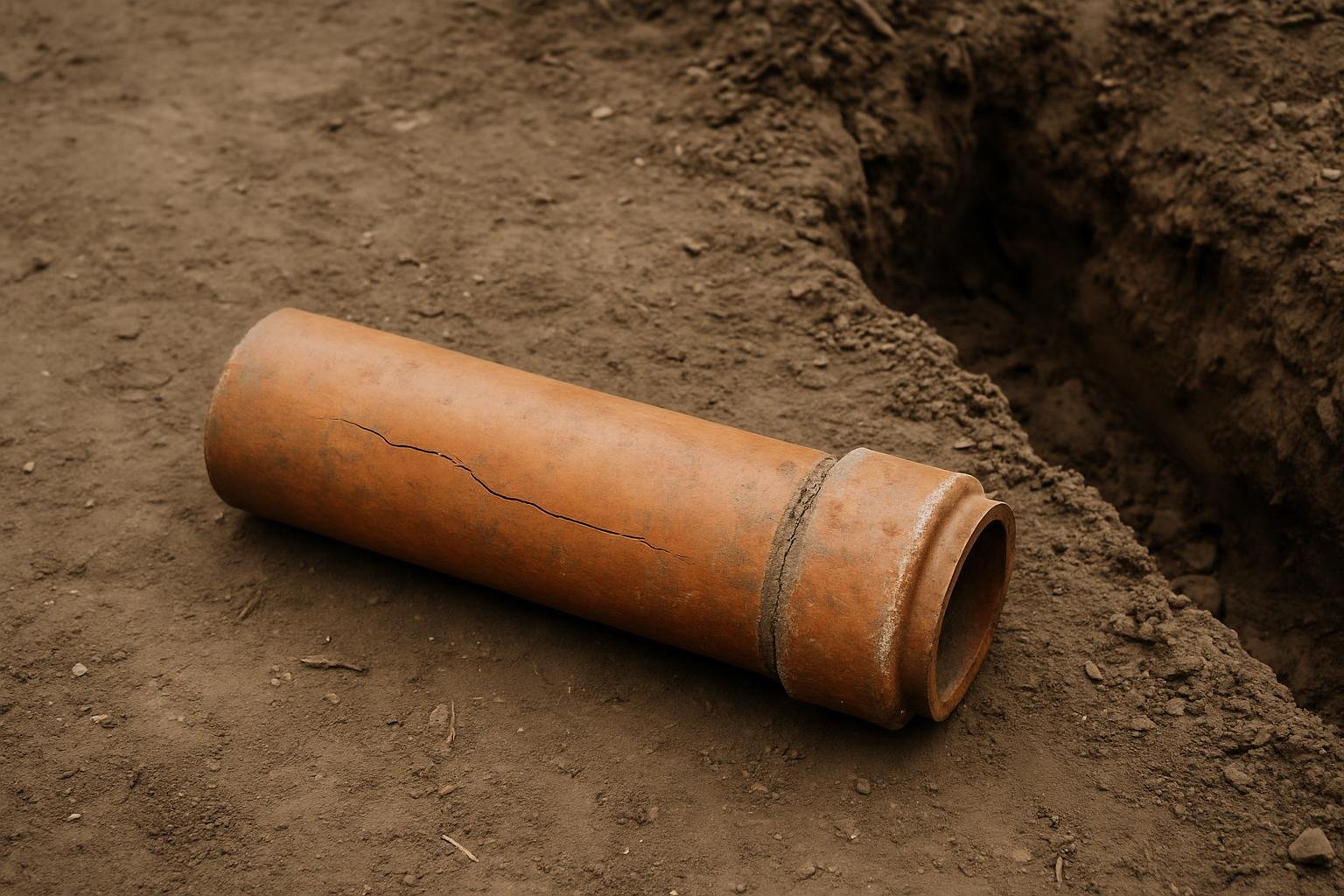
Which failure mode your DeWitt street is prone to
Weigh which side of the town's split you sit on, then choose the tool to match. Weigh the cause with the same care, because the EPA found that more than 70 percent of the sewer overflows it studied were attributed to line or main breaks or to line blockages, that most breaks were reported in old pipes, and that among reported blockages the most common cause was buildup of oil and grease with root intrusion second. And keep the surface water picture in mind: DeWitt sits in the county's Bear Trap and Ley Creek drainage district, one of four the Flood Control division mows, clears and inspects, so an obstructed channel near the property is reportable rather than something to work around.
Two build eras, two failure modes
24.5 percent of DeWitt predates 1950 and 43.3 percent falls in the 1940 to 1969 window. Clay opens at joints; fiber deforms. The right machine depends on which one is under your yard.
Grease outranks roots in the reported data
The EPA's overflow work puts buildup of oil and grease first among reported line blockages, with tree root intrusion second, and most breaks in old pipes. Plan the cleaning around that order.
An obstructed channel is the county's to clear
The town lies in the Bear Trap and Ley Creek drainage district, which county crews mow, trim and inspect. Reporting a blocked waterway near your line costs nothing.
Do you know which era your street is?
Send the street and the age of the house and we will say what a cleaning here should be looking for.
Other lateral and root work we arrange across DeWitt
What DeWitt owners ask about their own pipe material
Why does DeWitt have two different sewer pipe problems?
Because the town was built in two waves. Nearly a quarter of its housing predates 1950, which normally means vitrified clay with mortar joints, and another 43.3 percent went up between 1940 and 1969, the years bituminized fiber pipe was in production. Two adjoining streets can therefore need completely different work, which is why the survey comes before the recommendation.
Who clears a blocked creek or ditch near my DeWitt property?
The county, where it falls in a maintained district. DeWitt sits inside the Bear Trap and Ley Creek drainage district, one of only four the Water Environment Protection Flood Control division maintains, with crews that mow, trim, remove woody vegetation and debris and inspect infrastructure to keep those waterways unobstructed.
Tell us what the DeWitt lateral is doing
Send your ZIP code and what you are seeing. There is no obligation, and we will say which tool this line should see.