
Clogged and Slow Drain Cleaning in East Syracuse Village
In houses this old the branch lines are often the original metal, and a drain that never quite runs is usually narrowed rather than plugged. Those need different treatment.
Drain Cleaning quote in East Syracuse
Share a few details so we can confirm coverage and arrange the right next step.
Would you rather talk it through? Call (315) 640-3590, answered 24/7.
$100 off your first job
Credited by us on your first booked job.
- One credit per customer per property, on your first booked job.
- Valid through December 31, 2026.
Mention this offer when you book. Full terms.
What an old village branch line is worth doing properly
Weigh whether you are buying diameter or buying a hole. A slow fixture that has been getting slower for years, in a house of this age, is usually a bore problem, and a small jetter or a descaling head returns more than a cable will. Weigh the vent as well, because a drain that gurgles and empties slowly with nothing stuck in it is a vent fault and no amount of cabling touches it. And if you own more than one building on the lot, note that the village requires a separate and independent building sewer for each, with a narrow exception for a rear building on an interior lot where the front building's sewer is extended and both are treated as one run.
Gurgling with nothing stuck is a vent
A blocked plumbing vent makes a fixture empty slowly and pull air back through the trap. Cabling the branch will not change it, and chasing the wrong fault twice costs more than diagnosing it once.
Old metal narrows, it rarely plugs
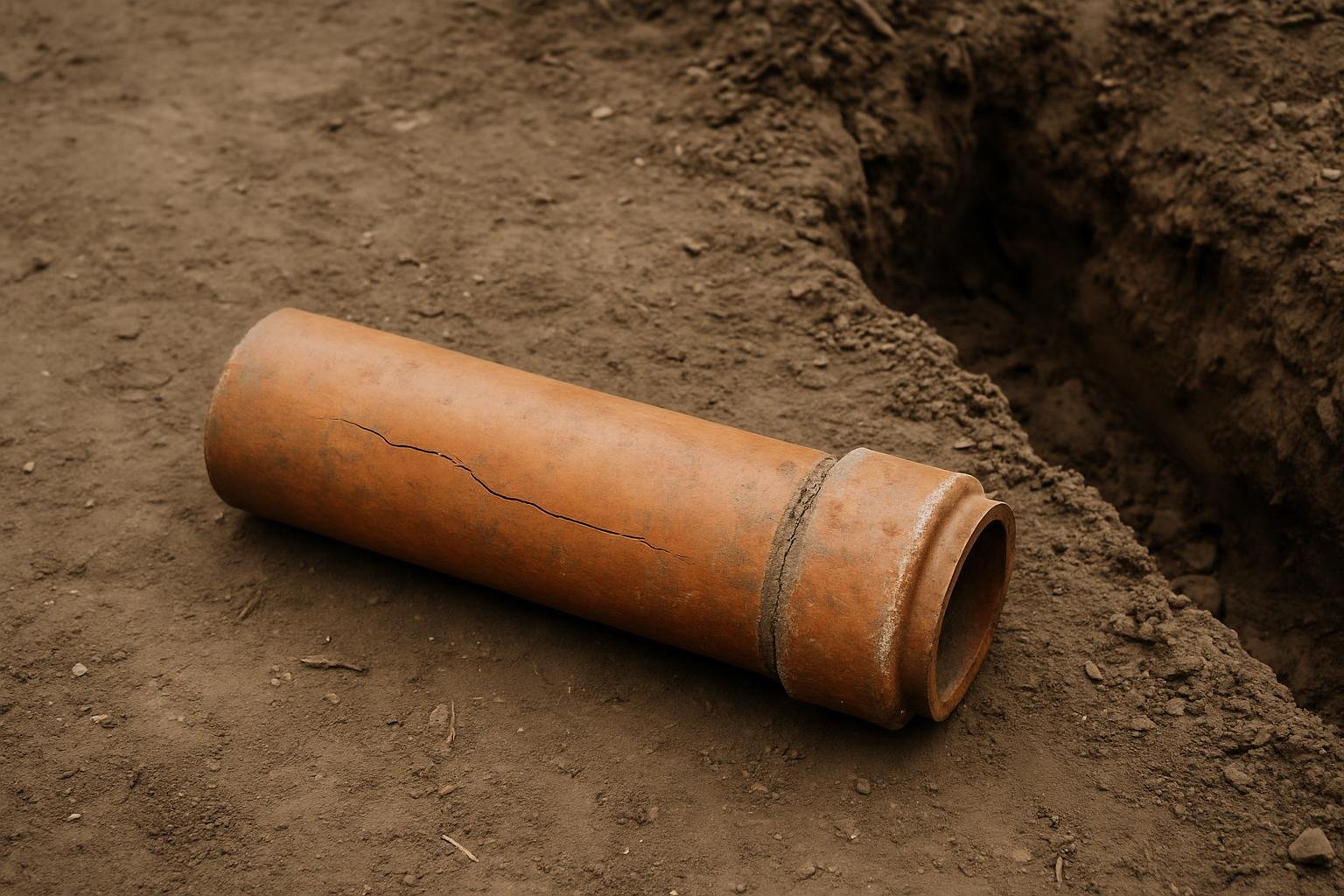
With a median build year of 1938 the village has a lot of original waste pipe. Scale on the wall is a diameter problem, and the tool that helps takes the wall back rather than bores a channel.
Grease and wipes still lead the list
The county's unflushables page names every kind of wipe, cotton swabs, floss, paper towels and cat litter, and explains that they collect on soapy build-up and deposits of fats, oils and grease. That is the recurring cause, not the unlucky one.
What a 1938 median build year does to a village branch line
Median year of construction across the places of this metro: East Syracuse village 1938, Liverpool village 1938, Skaneateles village 1938, Solvay village 1947, Syracuse city 1948, Marcellus village 1952, Mattydale 1953, Lyncourt 1954, Galeville 1956, Westvale 1956, Camillus village 1958, North Syracuse village 1959, Fairmount 1961, Fayetteville village 1961, DeWitt hamlet 1964, Lakeland 1967, Manlius village 1968, Minoa village 1971, Baldwinsville village 1975, Village Green 1977 and Radisson 1990.
Source: US Census Bureau, American Community Survey 2020-2024 5-year, table B25035, accessed 2026-09-08
Fayetteville, North Syracuse and East Syracuse all require a separate and independent building sewer for every building, with a narrow exception where one building stands at the rear of another on an interior lot and no separate route exists, in which case the front building's sewer is extended and the whole run is treated as one building sewer. Fayetteville adds that a multiple-dwelling structure needs at least one separate building sewer for every group of six or fewer family dwelling units unless the county Division of Drainage and Sanitation agrees otherwise.
Source: Village of Fayetteville Code section 133-11; Village of North Syracuse Code section 197-13; Village of East Syracuse Code section 277-5B, accessed 2026-09-08
WEP states that plumbing and wastewater systems are designed to handle only human waste and toilet paper, and lists as unflushables all wipes including baby, personal care and cleaning wipes, plus cotton balls, cotton swabs, dental floss, hair, tissues, paper towels, sanitary products, diapers, cat litter and animal waste. It explains that these items collect in pipes on soapy build-up and deposits of fats, oils and grease, leading to sewer blockages and wastewater back-ups.
Source: Onondaga County Department of Water Environment Protection, accessed 2026-09-08
What drain cleaning involves
Narrowed or blocked: the question in a 1938 East Syracuse house
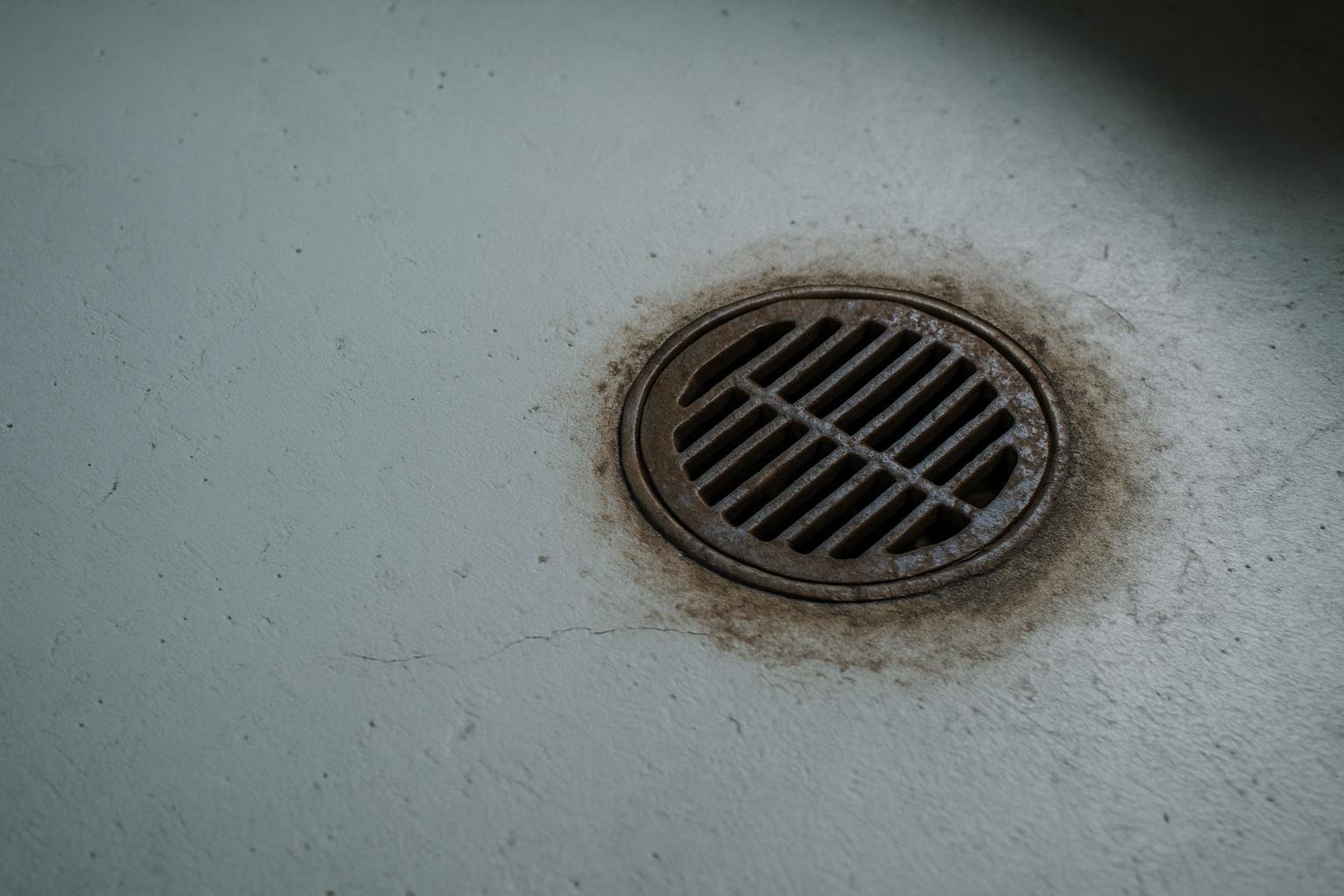
A fixture that drains but never quite empties is a different problem from one that stopped overnight, and East Syracuse produces the first kind more than anywhere in this county. The median village house dates to 1938, so the waste pipe behind the wall is often original, and scale on the inside of an old metal branch narrows the bore steadily instead of plugging it in one go. Cabling a narrowed line punches a hole through the middle and buys weeks. Cutting the scale back to the pipe wall, or jetting where the deposit is grease, restores the diameter the fixture was designed around. Which of the two you need is visible in how the water behaves, not in how long it has been happening.
Slow for years, or slow since Tuesday?
Tell us which, and we will say whether this line needs opening or needs its diameter back.
What East Syracuse owners ask about a drain that never runs right
My East Syracuse sink has been slow for years. Is that different from a clog?
Usually yes. A sudden stop is an object or a plug of grease. A years-long decline in a house whose median age here is 1938 is normally the pipe closing in on itself, and the work that fixes it is restoring the bore rather than opening a channel through the middle of the deposit.
Should the whole branch be replaced instead of cleaned?
Not on the strength of age alone. Cleaning a narrowed line and watching how quickly it slows again is the cheap way to find out whether the pipe still has usable wall left. If it closes up again within a season, that answers the question and you have spent very little to get the answer.
Tell us what the East Syracuse drain is doing
Send your ZIP code and what you are seeing. There is no obligation, and if a single visit settles it we will say so.