
Sewer Line Cleaning on Marcellus Village Laterals
The village core went in under one bond issue, so most laterals here join mains of broadly the same age. That makes the likely fault easier to predict than in most places.
Sewer Line Cleaning quote in Marcellus
Share a few details so we can confirm coverage and arrange the right next step.
Would you rather talk it through? Call (315) 640-3590, answered 24/7.
$100 off your first job
Credited by us on your first booked job.
- One credit per customer per property, on your first booked job.
- Valid through December 31, 2026.
Mention this offer when you book. Full terms.
1912, 1931, 1958, 1967: the village system by date
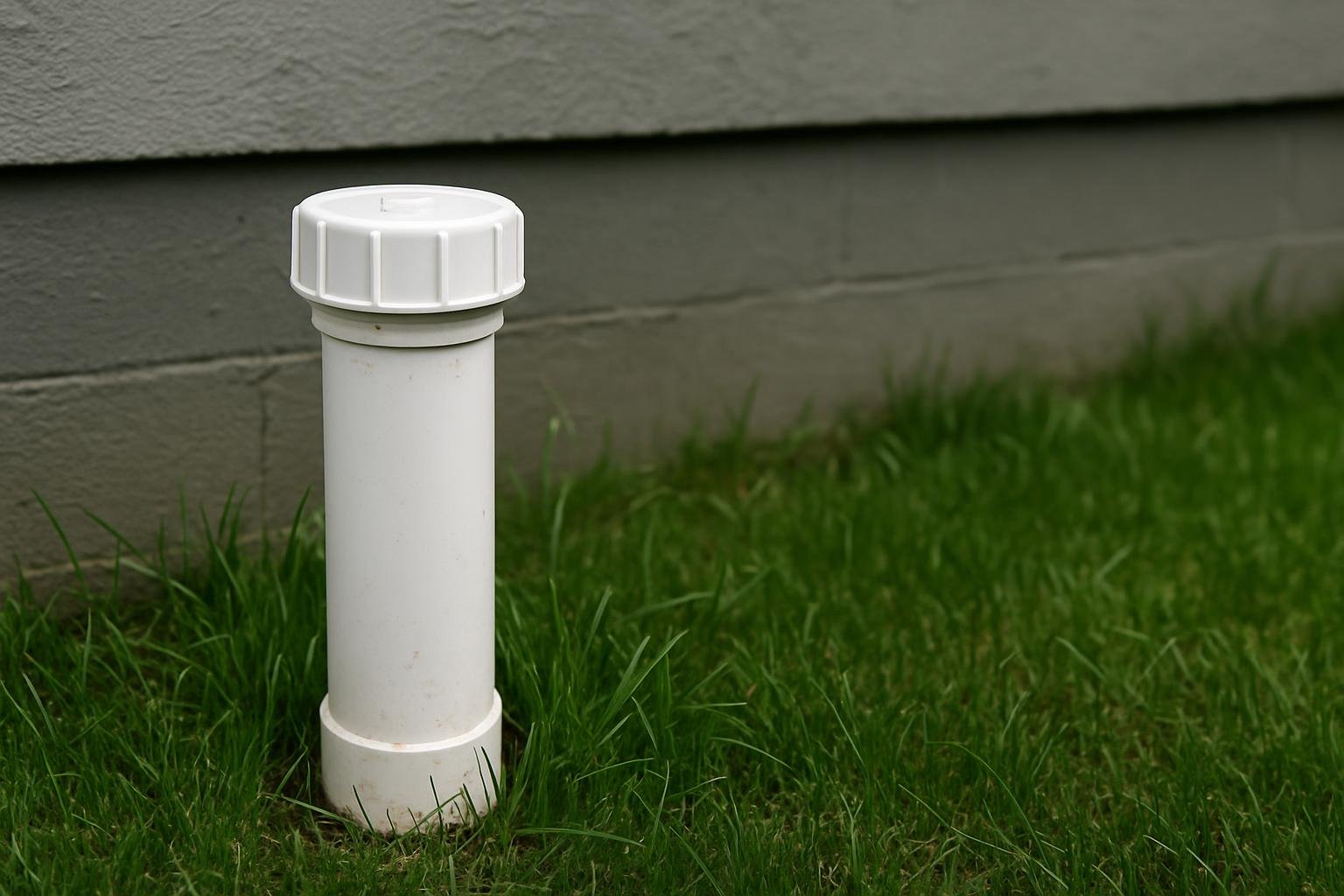
The Village of Marcellus records that its first sewer line was authorized on May 13, 1912, that village voters approved a $75,000 bond in March 1931 to build a sanitary sewer system for the whole village, that by the end of the 1930s most residents had been ordered to connect to it, that a primary treatment plant was authorized in 1958 and a secondary treatment upgrade in 1967 with a capacity of 350,000 gallons serving about 3,500 people, and that the system drains to Nine Mile Creek. The village runs its own Department of Public Works and its own water pollution control plant.
Source: Village of Marcellus, New York, accessed 2026-09-08
WEP states that tree roots are naturally inclined to grow toward moisture and that a sewer line gives them all the moisture they need, that roots can intrude and then continue to grow and multiply until they clog the sewer pipe, and that they can eventually crack it. The department's advice is to be mindful of where the sewer line runs before planting.
Source: Onondaga County Department of Water Environment Protection, accessed 2026-09-08
The EPA's own analysis of sanitary sewer overflows states that more than 70 percent of the overflows studied were attributed to line or main breaks or to line blockages, that most breaks were reported in old pipes, and that of the line blockages reported the most common cause was buildup of oil and grease with tree root intrusion the second most important cause. It adds that systems not routinely cleaned and repaired experience more frequent clogged and collapsed lines from root growth and from accumulated debris, sediment, oil and grease.
Source: US Environmental Protection Agency, Sanitary Sewer Overflows case study, accessed 2026-09-08
One 1931 bond issue, and why Marcellus mains share an age
Marcellus authorized its first sewer line on May 13, 1912, then approved a $75,000 bond in March 1931 to build a sanitary sewer system for the whole village, and by the end of that decade most residents had been ordered to connect to it. Primary treatment followed in 1958 and a secondary upgrade in 1967, sized at 350,000 gallons for about 3,500 people, draining to Nine Mile Creek. Because the core of the collection system went in under a single bond rather than street by street over decades, a village lateral is generally meeting mains of broadly the same 1930s vintage, and on mains of that age the joints are where a cleaning should be looking.
What a Marcellus cleaning should look at, and who to tell
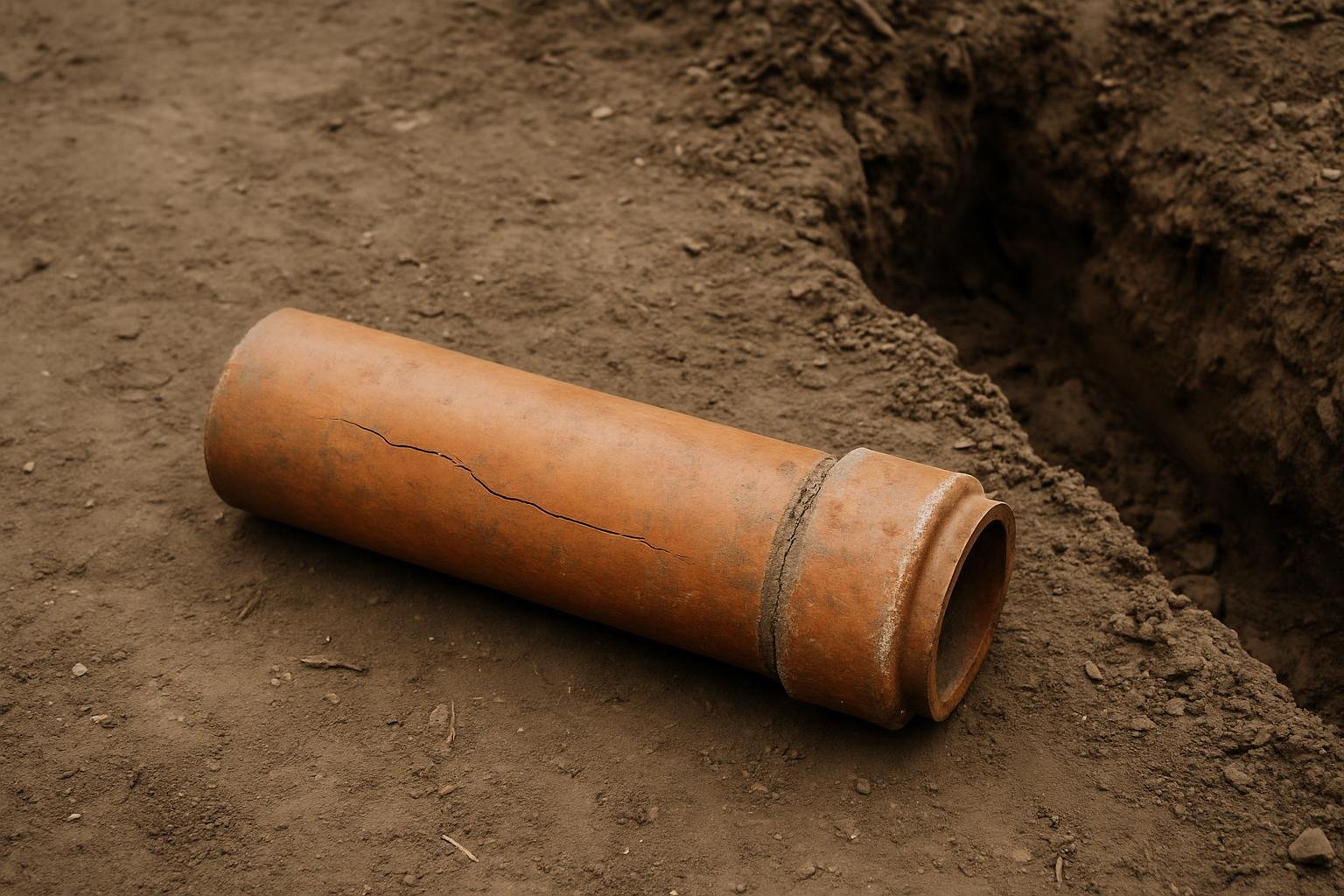
Weigh who you are dealing with before the work starts, because it is not the county here. The Village runs its own Department of Public Works and its own water pollution control plant, so the DPW is the first call about anything on the public side rather than the county line the suburbs use. Weigh the cause carefully as well, since roots are worth understanding rather than assuming: the county describes them growing toward moisture, finding it where a pipe leaks, then intruding and multiplying until they clog the pipe and eventually crack it. On mains and laterals of a shared 1930s age, that mechanism has had a long time to work at any joint that was ever imperfect.
The Village DPW is the first call, not the county
Marcellus runs its own Department of Public Works and its own water pollution control plant. Calling the county line about a public side problem here simply loses time.
A shared build age makes the fault predictable
The core system went in under a single 1931 bond, so the mains a village lateral joins are broadly contemporary. Old joints, rather than pipe barrels, are what a camera should be examining.
Cut the roots, then look at what let them in
Roots reach a sewer by following moisture to a defect. Without the picture of the entry point, a cut is a service rather than an answer.
Whole house slow on village sewer?
Tell us how long it has been building and we will say what a cleaning here should be looking for.
Other lateral and root work we arrange in the village
What Marcellus village owners ask about an old collection system
Who runs the sewer system in Marcellus village?
The Village does, through its own Department of Public Works and its own water pollution control plant. The system dates to a $75,000 bond approved in March 1931 to build a sanitary sewer for the whole village, with primary treatment added in 1958 and a secondary upgrade in 1967 sized at 350,000 gallons for about 3,500 people. It drains to Nine Mile Creek.
Is grease or are roots the bigger problem on a Marcellus lateral?
The reported data puts grease first. The EPA's own overflow analysis found that of the line blockages reported, the most common cause was buildup of oil and grease with tree root intrusion the second most important cause, and that systems not routinely cleaned experience more frequent clogged and collapsed lines. On an old system both are plausible, which is why the camera comes after the clearing rather than instead of it.
Tell us what the Marcellus lateral is doing
Send your ZIP code and what you are seeing. There is no obligation, and we will say whether the Village needs telling.