
Syracuse and Onondaga County

Syracuse Drain Cleaning, Sewer Lines and Basement Backups
Say which drain is slow. We point you to the right kind of contractor: licensed, insured and independent.
What is the drain doing?
- One drain is slow or cloggedUsually means a branch line: that one fixture's own pipe.Send: Drain cleaning
- Several drains are slow, or it keeps coming backUsually means the main line or the lateral under the yard.Send: Main line cleaning
- Water came up through a basement drainUsually means a sewer backup, shown first by the lowest drain.Send: Backup crew
- I need a camera look or a repair priceUsually means a damaged lateral that needs a camera first.Send: Camera and repair
- Not sure what it isSay what you see and we will name the job.Send: We will sort it
- Licensed, insured contractors
- No obligation
- Phones answered 24/7
Get the right crew
Say what the drain is doing. Two optional questions, then your contact details.
Find the lowest slow drain
The lowest fixture that is slow or backing up tells you where along the pipe to look first.
- Upstairs sink or tubOnly this one slow? The clog is in its own branch.
- First floor toilet or sinkSlow with the ones above it? Look at the line they share.
- Basement floor drain or laundry tubLowest fixture, so it shows trouble first.
- CleanoutThe access point where a cable or camera goes in.
- Lateral under the yardRoots and grease collect in this run to the curb.
- Curb lineYours above the curb line. Public below it.
- Street sewerPublic. The City or the County answers for it.
What people ask before they call about a drain

How do I know I am not being sold an excavation when a cleaning would do?
Two things separate them, and both are settled before anyone quotes. The first is which fixtures are affected: one slow sink with the rest of the house draining normally is a branch line inside the building, and that is the smallest job in this trade. The second is a camera run from the cleanout toward the main, which reports the pipe material, the state of the joints, anything holding water, and how far from the house the fault sits.
A quote written against a recorded survey is a quote you can check line by line. New York's residential code will not even accept a pipe bursting replacement without a recorded camera survey before and after the work, with the second one reviewed and approved by the building official. If somebody wants to price a dig without having located the fault first, that is a position rather than a diagnosis.
Is it tree roots?
Probably not first, and the order matters more than most people are told. The EPA's analysis of sanitary sewer overflows found that of the line blockages reported, the most common cause was buildup of oil and grease, with tree root intrusion second. Onondaga County Water Environment Protection says the same thing in kitchen and bathroom terms: wipes of every kind, cotton swabs, dental floss, hair, paper towels and sanitary products collect on soapy build-up and on deposits of fats, oils and grease until the pipe closes.
Roots are real here, and the county explains why, because roots grow toward moisture and a sewer line gives them all they need. But roots get in through a defect at a joint, so the useful question is never whether there are roots. It is which joint let them in, which is what a camera answers. Cutting them out without looking at the joint buys you the same call next year.
My basement floods when it rains hard. Is that my drain?
It depends which side of the city line you are on, and this is a real difference rather than a technicality. Onondaga County Water Environment Protection states that in this county the City of Syracuse has a combined sewer system, where sewage and stormwater share a single pipe, while the other municipalities have separate stormwater and sewer systems. Inside the city, heavy rainfall or snowmelt can exceed what that shared pipe can carry, and what reaches the basement is the system rather than your lateral.
Outside the city there is no rainfall path into the sanitary sewer at all, so water arriving in a storm is groundwater, a sump pump that cannot keep up, or a sump pump, roof drain, gutter or foundation drain wrongly connected into the sanitary line, which the county lists as one of the first things to go looking for. Clearing your own pipe answers only one of those.
Who pays if the blockage turns out to be under the street?
Not you, and there is a document that says so. Section 5.3 A.3 of the Onondaga County Examining Board for Plumbers requirements states that sewer lateral repairs are reconstructed to the curb line, and that where the plumbing contractor determines there is an obstruction in the service lateral that cannot be cleared and it sits under the street bed, it is the contractor's responsibility to contact the City sewer department and demonstrate it.
The practical consequence is that the measurement matters as much as the diagnosis, so ask for the fault to be located and marked on the ground rather than described to you. And if the property sits inside the Consolidated Sanitary District, the county will inspect the public side first, from the cleanout in your yard out to the road, at no direct charge.
Do I actually need to call anyone?
Often not, and this is the cheapest paragraph on the page. If one fixture is slow and everything else drains normally, the fault is a short run of pipe inside the building, usually a hair and soap mat at the trap or a kitchen line that cooled grease has narrowed. That is a homeowner job. If every fixture is slow at once, that is the lateral and it does need somebody.
And if the house is on public sewer inside the Consolidated Sanitary District, Onondaga County Water Environment Protection answers a round-the-clock line, inspects the public side of the sewer with no direct charge, and refers you on only when the fault is not theirs. Make that call before you pay anyone. We would rather tell you that than send someone out to quote work you do not need.
Four jobs, and the fixtures tell you which one you are in
Which fixtures are slow sorts people faster than what the blockage turns out to be. One sink backing up while the rest of the house drains is a branch line inside the building.
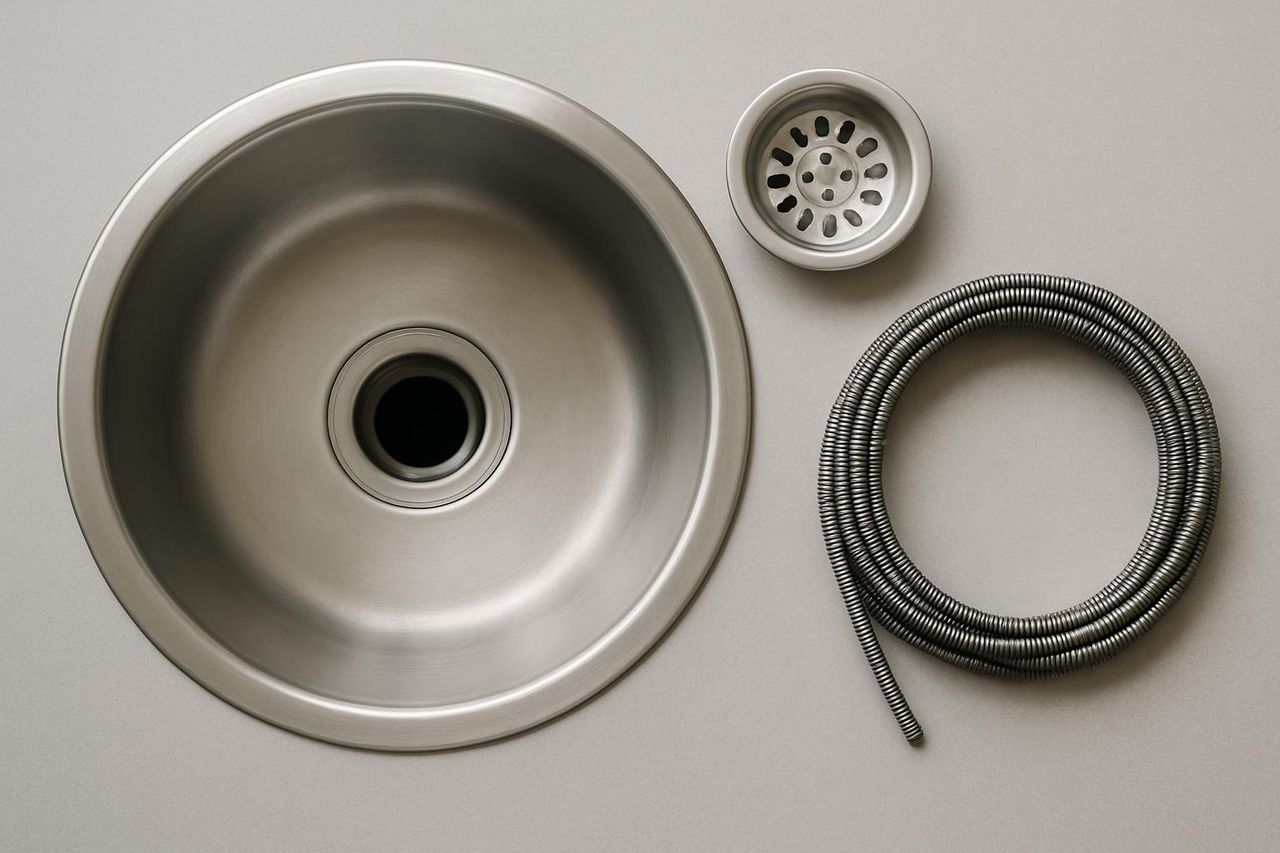
Drain cleaning
Usually when one sink, tub or toilet is slow or blocked and the rest of the house still drains.
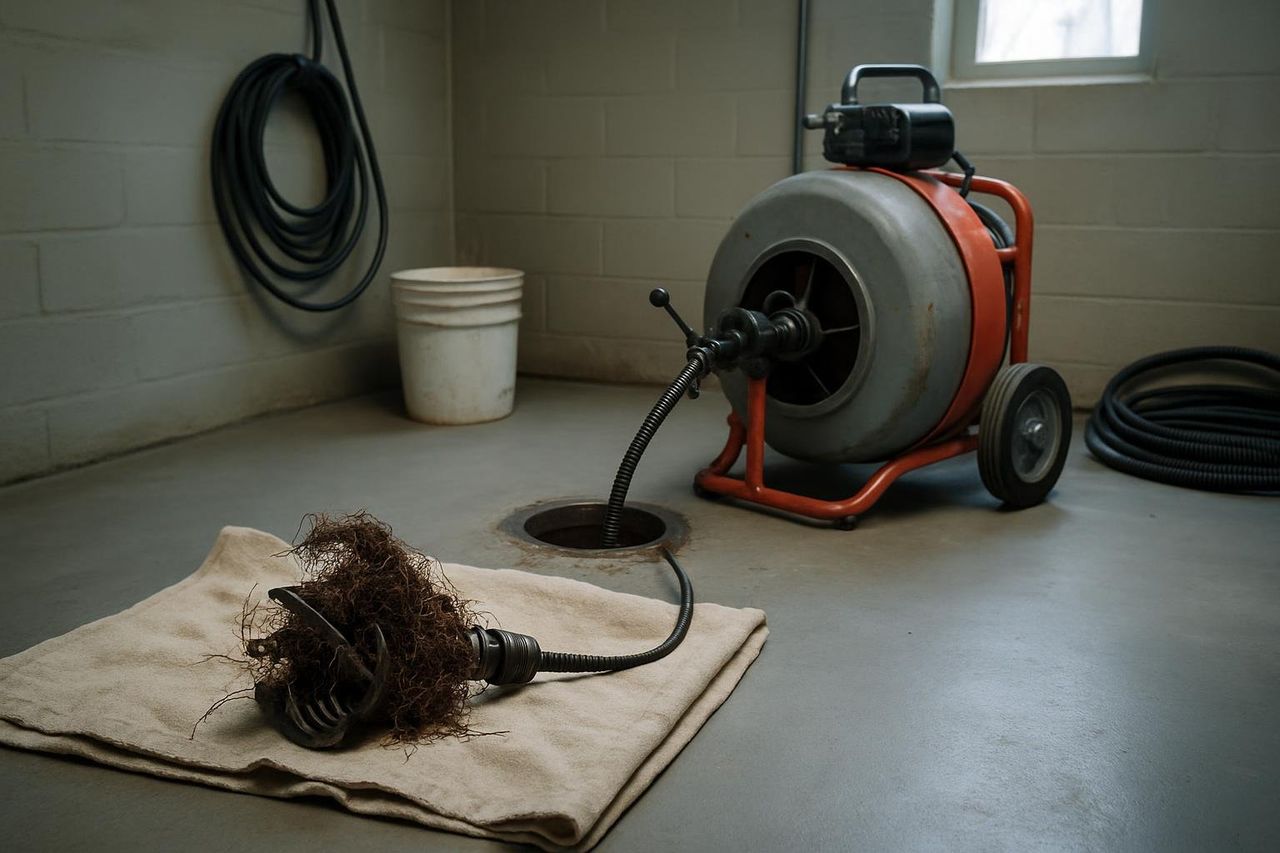
Main line cleaning
Usually when the whole house drains slowly, or the same line has blocked more than once.
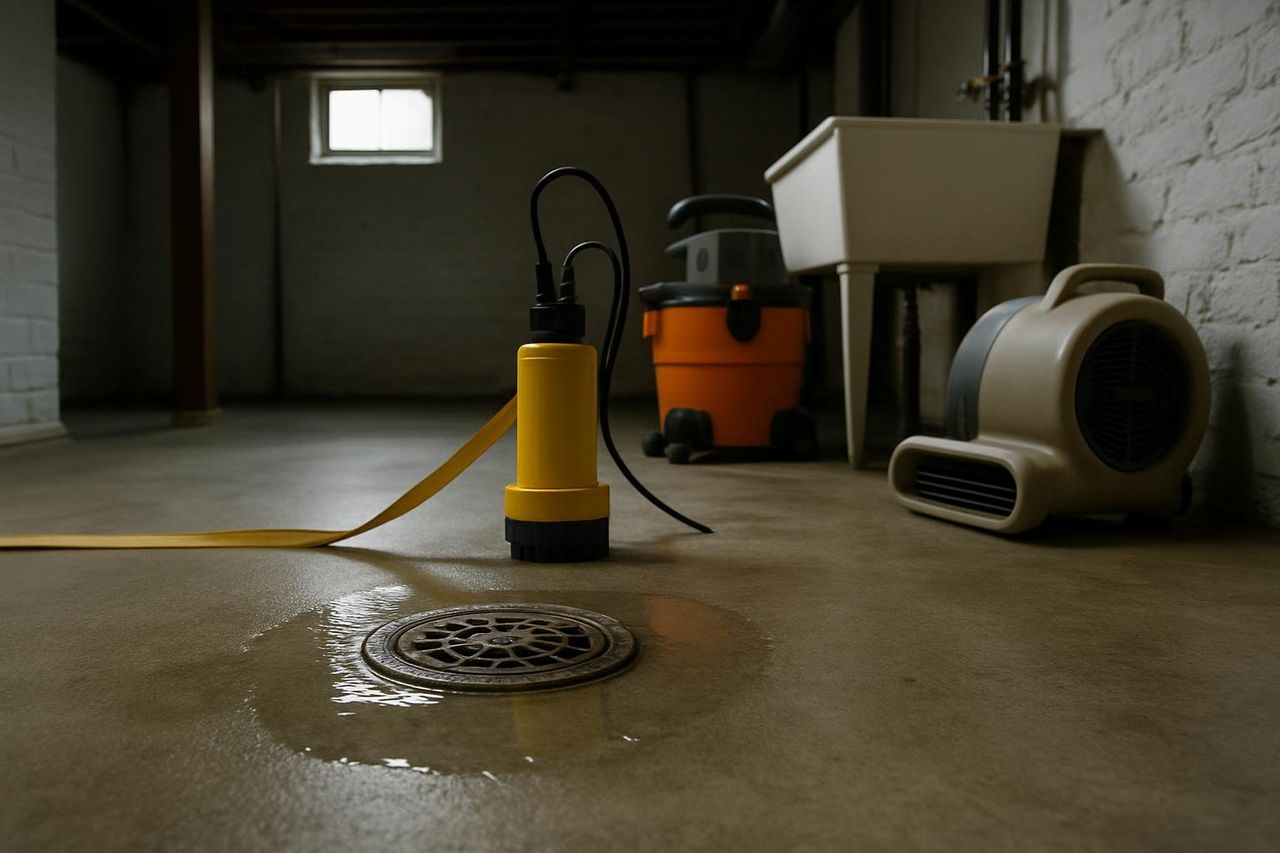
Backup crew
Usually when sewage or wastewater has come up through a floor drain, a tub or a toilet.
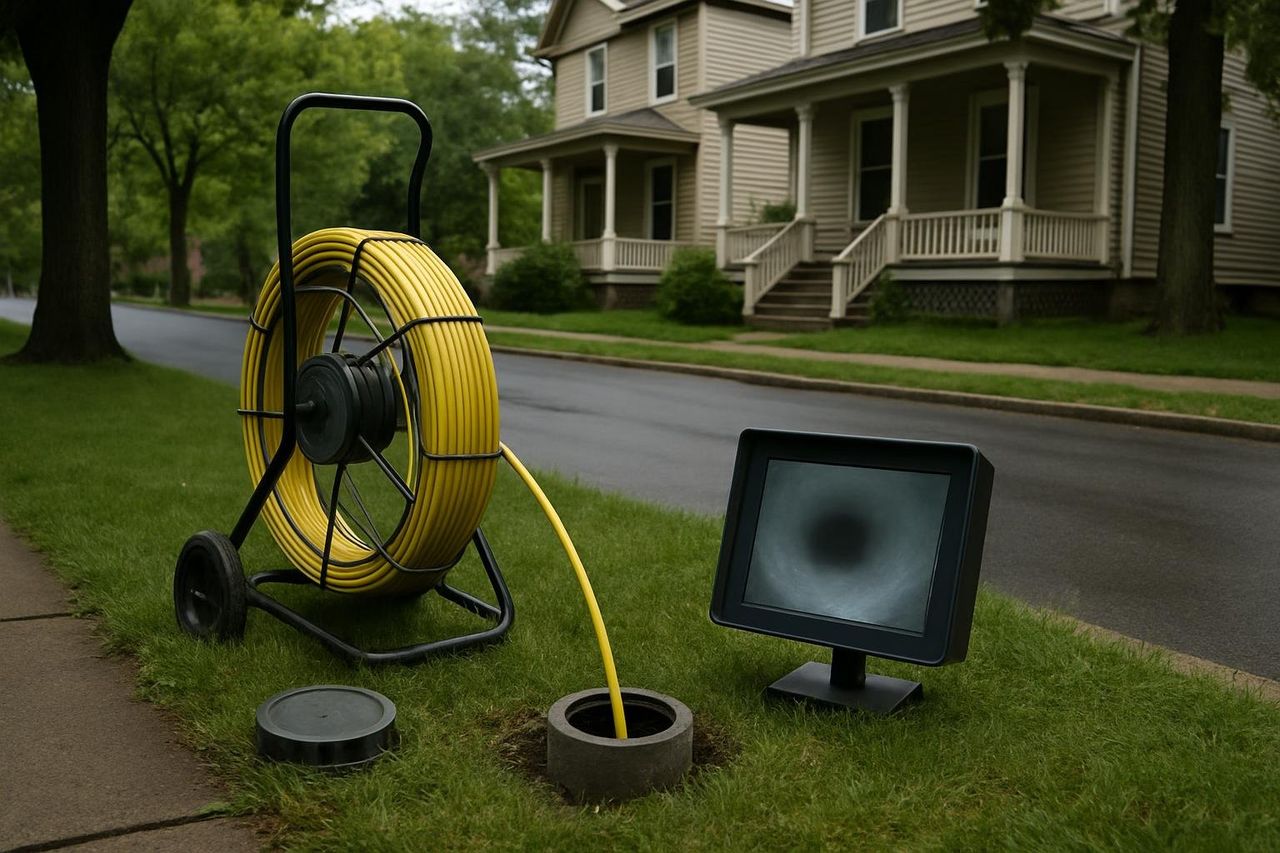
Camera and repair
Usually when somebody has told you the line needs replacing and you want that established before you commit.


How a drain job starts here

What you get with the credit
A $100 credit on your first booked job, and a crew that tells you where the fault is before it quotes.
- Phones answered 24/7.
- Licensed, insured plumbing contractors. Onondaga County requires licensed plumbing contractors to keep certificates of insurance on file with WEP Plumbing Control.
- No obligation, and no pressure to dig. A blockage that clears is a service call, and we would rather say so.
- Credited by us on your first booked job.
- One credit per customer per property, on the first booked job.
- Valid through December 31, 2026.
Before you send anything
The Drain Cleaning Syracuse guarantee
- Sending details creates no obligation.
- We pay for the credit ourselves.
- Your $100 credit applies to your first booked job.
- Not happy with the visit? Call us. We will talk to the contractor with you.
This covers our introduction, the credit and our follow-up. The contractor's work falls under your agreement with them. Guarantee terms
Drain Cleaning Syracuse · (315) 640-3590
What is different about a drain job here
Checked against Onondaga County Department of Water Environment Protection, Combined sewer overflows and Onondaga County Department of Water Environment Protection, Report sewer problems (checked September 8, 2026).

Towns we cover
Choose your town for the local sewer facts.
The city
North and northwest
East and southeast
West and south
Start with the lowest slow drain
Say which fixture is slowest and which floor it is on. The right crew calls you back.