
Root Cutting and Sewer Line Cleaning in Fayetteville
This is the one village in the metro whose sewer code treats tree roots as a design condition. That tells you what a root job here usually really is, and what ends it.
Sewer Line Cleaning quote in Fayetteville
Share a few details so we can confirm coverage and arrange the right next step.
Would you rather talk it through? Call (315) 640-3590, answered 24/7.
$100 off your first job
Credited by us on your first booked job.
- One credit per customer per property, on your first booked job.
- Valid through December 31, 2026.
Mention this offer when you book. Full terms.
Section 133-13, the root mechanism and what really blocks lines
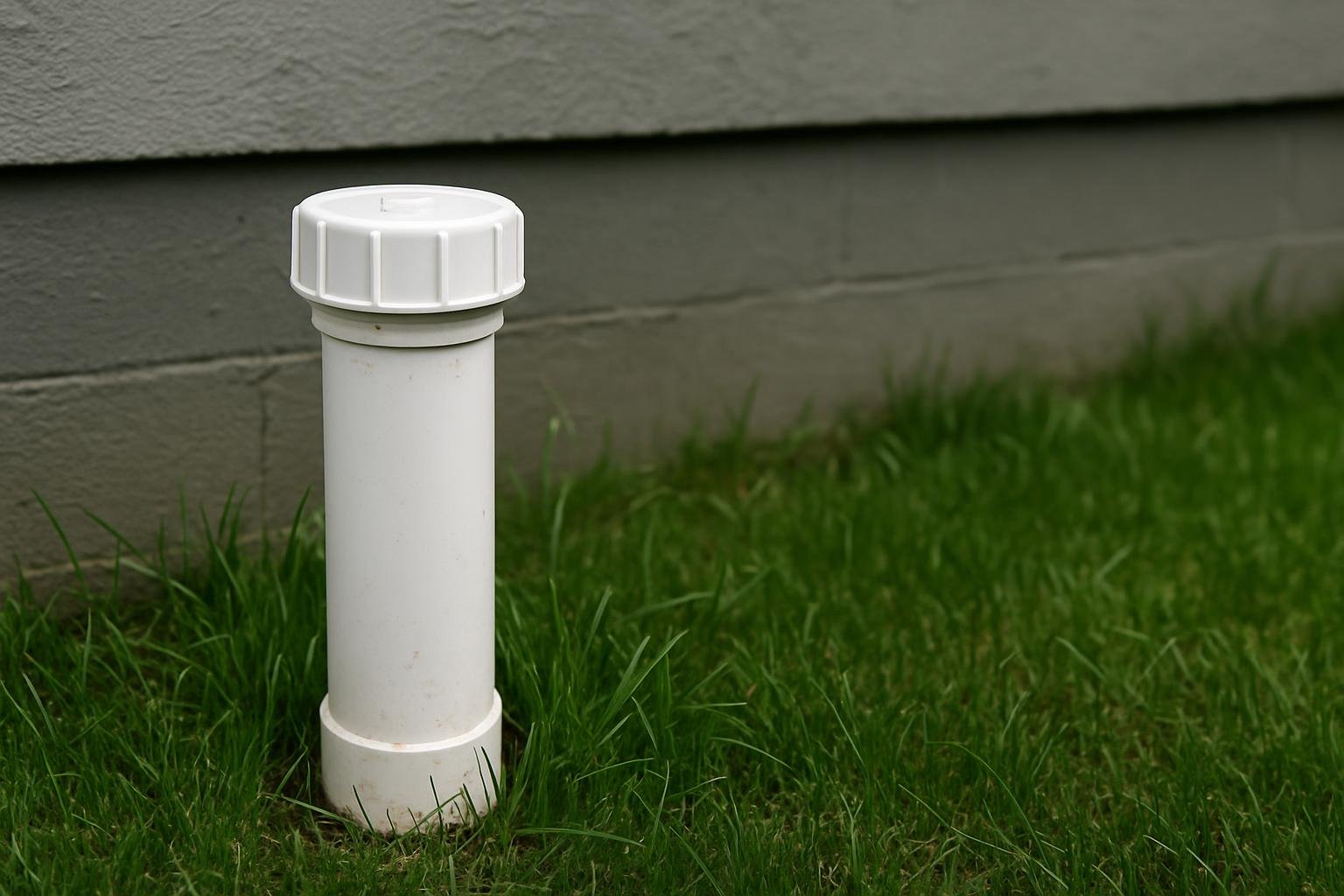
Village of Fayetteville Code section 133-13 specifies cast-iron soil pipe to ASTM A74-42 extra-heavy weight or equal for the building sewer, permits Transite or equal asbestos-cement building sewer pipe if the Superintendent approves it, and states that cast iron pipe with leaded joints may be required by the Superintendent where the building sewer is exposed to damage by tree roots. Section 133-14 sets a minimum inside diameter of four inches at a slope of not less than a quarter inch per foot, and section 133-17 prohibits connecting roof downspouts, exterior foundation drains or areaway drains to a building sewer.
Source: Village of Fayetteville Code Chapter 133, Sewers, accessed 2026-09-08
WEP states that tree roots are naturally inclined to grow toward moisture and that a sewer line gives them all the moisture they need, that roots can intrude and then continue to grow and multiply until they clog the sewer pipe, and that they can eventually crack it. The department's advice is to be mindful of where the sewer line runs before planting.
Source: Onondaga County Department of Water Environment Protection, accessed 2026-09-08
The EPA's own analysis of sanitary sewer overflows states that more than 70 percent of the overflows studied were attributed to line or main breaks or to line blockages, that most breaks were reported in old pipes, and that of the line blockages reported the most common cause was buildup of oil and grease with tree root intrusion the second most important cause. It adds that systems not routinely cleaned and repaired experience more frequent clogged and collapsed lines from root growth and from accumulated debris, sediment, oil and grease.
Source: US Environmental Protection Agency, Sanitary Sewer Overflows case study, accessed 2026-09-08
The Fayetteville clause that names tree roots by name
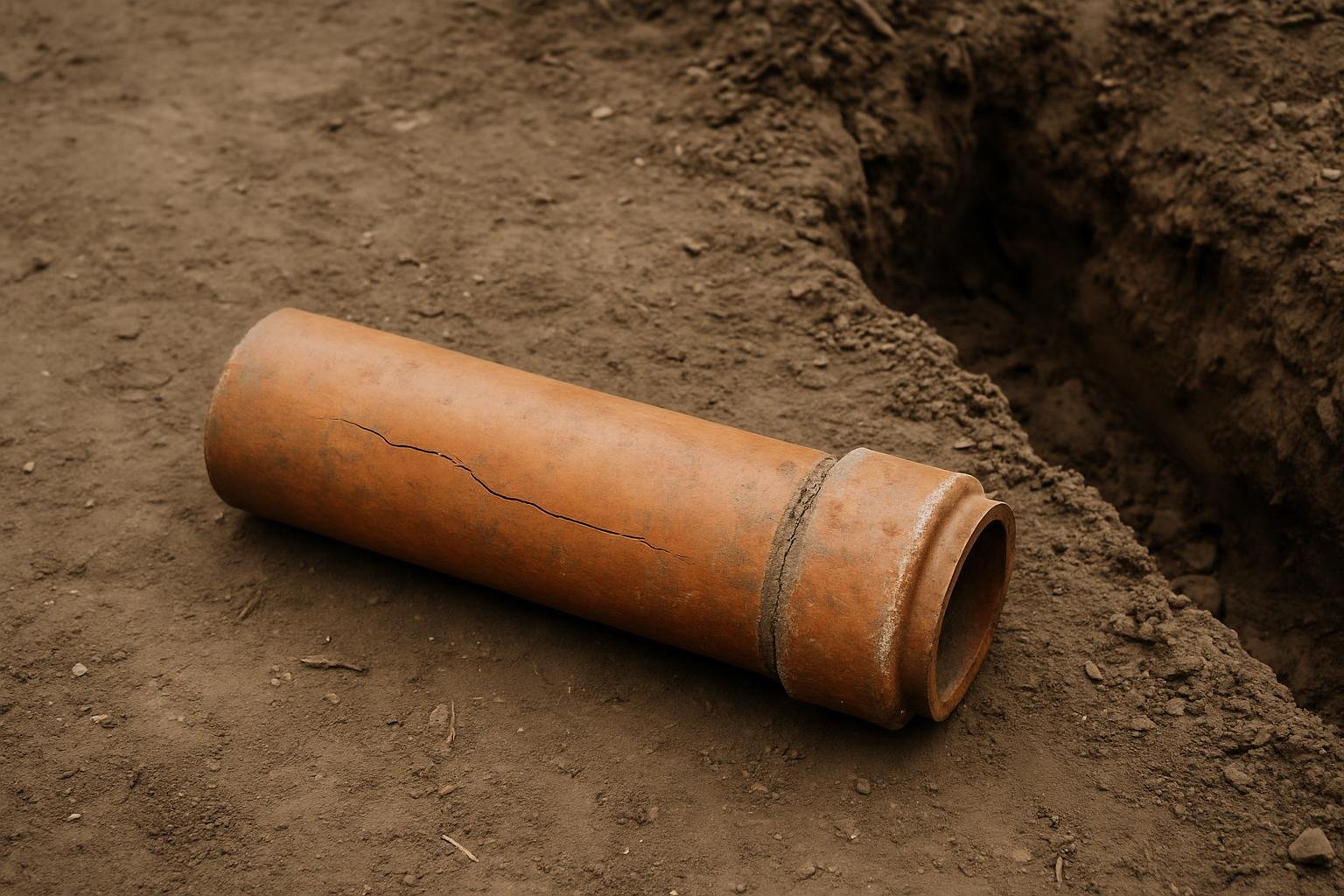
Village code section 133-13 is unusual and it is useful to a homeowner. It specifies extra-heavy cast-iron soil pipe for the building sewer, and states that cast iron with leaded joints may be required by the Superintendent where the building sewer is exposed to damage by tree roots. No other municipality here writes roots into the specification. What follows for you is practical rather than academic: if the village anticipates root damage as a design case, then a root in your line is an expected event with a known remedy, not bad luck, and the remedy is about the joint the roots came through rather than about the roots themselves.
Cutting, or ending it: the Fayetteville root decision
Weigh what happens after the cut. The county's description of the mechanism is the argument: roots grow toward moisture, a sewer line gives them all the moisture they need, they intrude and then continue to grow and multiply until they clog the pipe and can eventually crack it. So the cut restores flow and the defect decides how long that lasts. Weigh the alternative causes honestly as well, because the EPA found that of reported line blockages the most common cause was buildup of oil and grease, with root intrusion second, and that systems not routinely cleaned experience more frequent clogged and collapsed lines from root growth and from accumulated debris, sediment, oil and grease.
The village anticipates roots in writing
Section 133-13 allows the Superintendent to require cast iron with leaded joints where the building sewer is exposed to damage by tree roots. That is a design response to a known local condition.
Cut the roots, then photograph the joint
Roots enter at a leak and multiply inside. Without a picture of the entry point you have bought flow, not an answer, and you will buy it again.
Do not assume roots without looking
The most common reported cause of line blockages is buildup of oil and grease, with roots second. In a village that specifies for roots it is tempting to skip that check, and it is worth not skipping.
Cut the roots, or end the cycle?
Tell us how often this line has blocked and we will say what a lasting answer looks like here.
Other lateral and drain work we arrange in Fayetteville
Questions Fayetteville owners ask about roots and old pipe
Why does Fayetteville's code mention tree roots when others do not?
Because it treats them as a design condition rather than an accident. Section 133-13 specifies extra-heavy cast-iron soil pipe for the building sewer and allows the Superintendent to require cast iron with leaded joints where the run is exposed to damage by tree roots. For a homeowner that is a useful signal about what the village expects to happen in this ground.
How long does root cutting last on a Fayetteville lateral?
As long as the defect allows, which is why the joint matters more than the cut. Roots reach the pipe because it offers moisture at a crack or an open joint, and once inside they keep growing until they clog it. Where the entry point is a single joint, repairing that joint is what ends the cycle. Where the run has multiple entries, a planned cleaning interval is often the more honest recommendation.
Tell us what the Fayetteville line is doing
Send your ZIP code and what you are seeing. There is no obligation, and we will say whether a cut is enough.