
Sewer Line Cleaning and Root Removal on Liverpool Laterals
Your lateral is joining mains the village still documents by drawings dated January 1930. That changes what a cleaning should look for, and what it should record.
Sewer Line Cleaning quote in Liverpool
Share a few details so we can confirm coverage and arrange the right next step.
Would you rather talk it through? Call (315) 640-3590, answered 24/7.
$100 off your first job
Credited by us on your first booked job.
- One credit per customer per property, on your first booked job.
- Valid through December 31, 2026.
Mention this offer when you book. Full terms.
Sanitary Sewer Details, January 1930, and what blocks a lateral
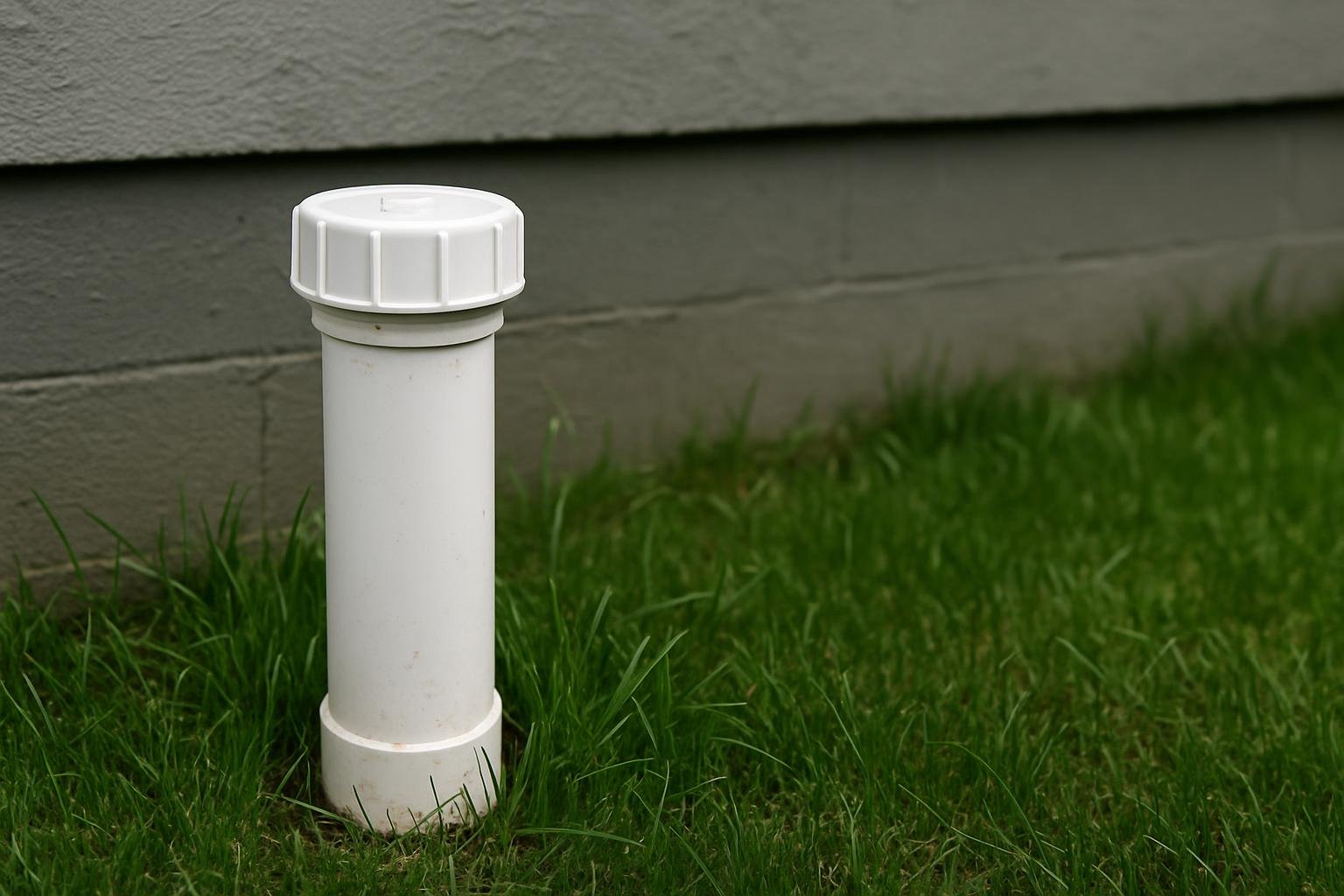
Village of Liverpool Code section 295-1 requires the owners of all houses and buildings used for human occupancy in the Village, abutting a street with a public sanitary sewer, at their own expense to install plumbing and connect directly to the public sewer within 180 days of official notice, provided the public sewer is within 100 feet of the property owner's lot line. Section 295-5 describes the system by reference to drawings entitled Village of Liverpool, New York, Sanitary Sewer Details, dated January 1930.
Source: Village of Liverpool Code Chapter 295, Sewers, accessed 2026-09-08
WEP states that tree roots are naturally inclined to grow toward moisture and that a sewer line gives them all the moisture they need, that roots can intrude and then continue to grow and multiply until they clog the sewer pipe, and that they can eventually crack it. The department's advice is to be mindful of where the sewer line runs before planting.
Source: Onondaga County Department of Water Environment Protection, accessed 2026-09-08
The EPA's own analysis of sanitary sewer overflows states that more than 70 percent of the overflows studied were attributed to line or main breaks or to line blockages, that most breaks were reported in old pipes, and that of the line blockages reported the most common cause was buildup of oil and grease with tree root intrusion the second most important cause. It adds that systems not routinely cleaned and repaired experience more frequent clogged and collapsed lines from root growth and from accumulated debris, sediment, oil and grease.
Source: US Environmental Protection Agency, Sanitary Sewer Overflows case study, accessed 2026-09-08
Joining a 1930 main: what that means for a Liverpool cleaning
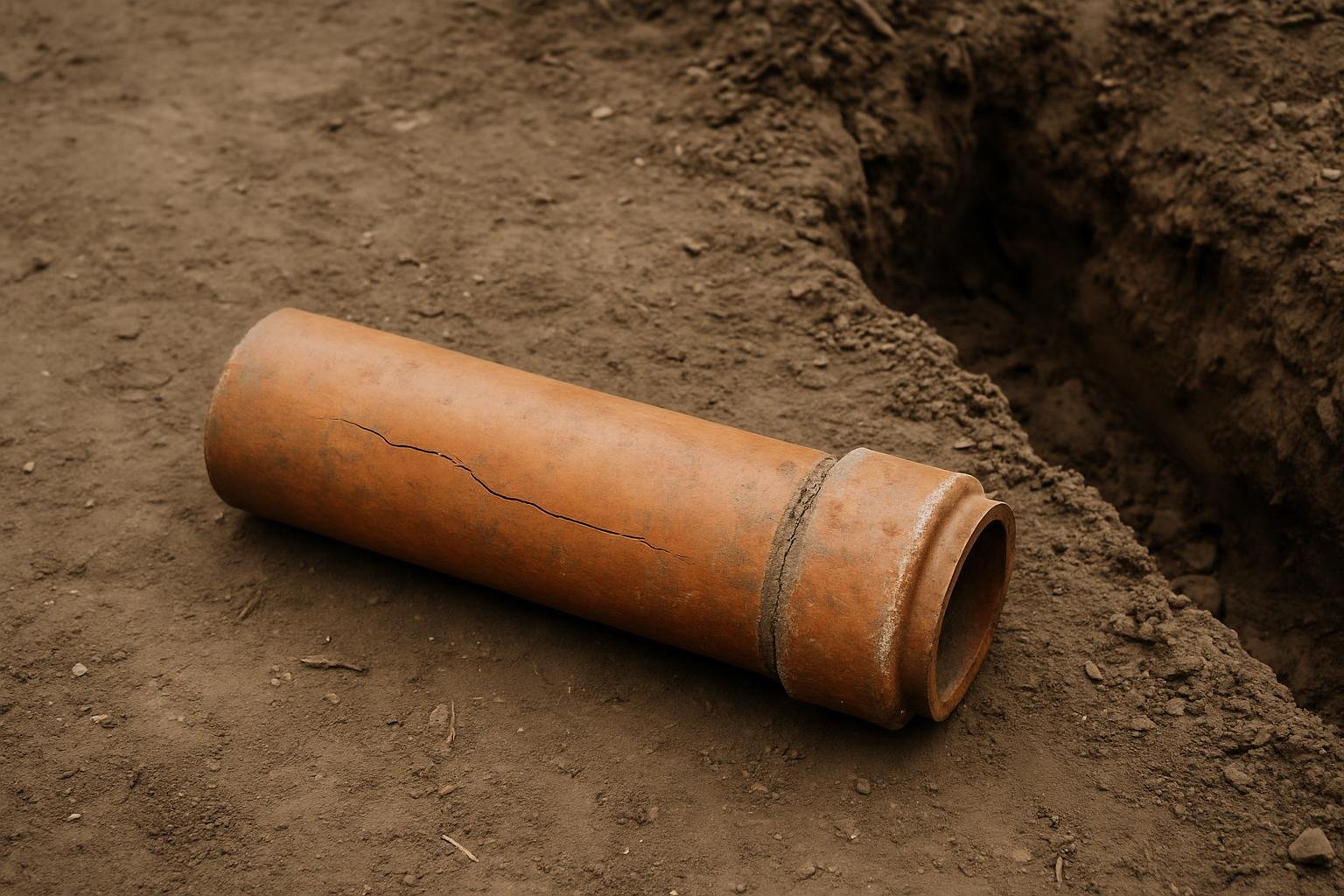
When the whole house slows at once, the pipe to open is the lateral, and in Liverpool it is worth knowing what it opens into. Village code still describes the collection system by drawings entitled Village of Liverpool, New York, Sanitary Sewer Details, dated January 1930, so a village lateral is meeting mains of roughly ninety-five years. On a run of that vintage the joints are the weak point rather than the pipe barrel, which is why the useful output of a cleaning is not only a clear bore but a note of which joint the machine met resistance at and how far from the house it sat.
What a Liverpool main line cleaning should return
Weigh what you get to keep. On a system this old the two things worth insisting on are the full diameter of the pipe rather than a channel bored through the deposit, and a record of where along the run the trouble sat. Weigh the cause in the right order as well. Roots are the finding everyone expects on an old village lot, and the county describes them accurately as growing toward moisture, finding it at a leaking joint and then multiplying until they clog the pipe. But the EPA's overflow analysis puts buildup of oil and grease first among reported line blockages, with root intrusion second, so what feeds a root is often what should be cleaned out anyway.
Full bore, not a channel
A cable that punches through a deposit leaves the deposit. On a lateral meeting mains documented by 1930 drawings, restoring the whole diameter is what buys years rather than weeks.
Roots come through a defect, so look at the defect
The county's own description is roots growing toward moisture and finding it at a leak. Cutting them without addressing the joint they entered through simply schedules the next visit.
Ask what the compulsory connection rule means for you
Village code requires an abutting owner to connect at their own expense within 180 days of notice where a public sewer is within 100 feet of the lot line. If you are not yet connected, that is a cost with a deadline and it is better priced early.
Every drain slowing together?
Tell us how long it has been building and we will say what a lateral clean should record here.
Other lateral and root work we arrange in Liverpool
Questions Liverpool owners ask about an old village main
How old is the sewer my Liverpool lateral connects to?
The village's own code describes the sanitary system by reference to drawings dated January 1930, which puts the documented design of the collection system at roughly ninety-five years. That does not mean every pipe in the street is original, but it does mean an old joint is a reasonable first suspicion when a lateral keeps catching at the same distance.
Does root cutting solve a Liverpool line for good?
It is a reset rather than a fix. Roots reach a sewer because it is leaking moisture at a joint or a crack, so the cut buys time and the joint decides how much. Where the same run blocks on a predictable cycle, the honest options are a planned cleaning interval or repairing the defect the roots are using.
Tell us what the Liverpool lateral is doing
Send your ZIP code and what you are seeing. There is no obligation, and the county will check the public half at no direct charge first.