
Clogged and Slow Drain Cleaning in North Syracuse Village
Most village drain calls are one fixture and one visit. The exception here is a house that shares its run with the property behind it, and that is worth knowing before the cable goes in.
Drain Cleaning quote in North Syracuse
Share a few details so we can confirm coverage and arrange the right next step.
Would you rather talk it through? Call (315) 640-3590, answered 24/7.
$100 off your first job
Credited by us on your first booked job.
- One credit per customer per property, on your first booked job.
- Valid through December 31, 2026.
Mention this offer when you book. Full terms.
Before a village drain call turns into a shared problem
Weigh two things a slow fixture cannot tell you by itself. First, whether anything else in the house has slowed, because one fixture is a branch line and several at once is the run beneath the yard. Second, whether your building sewer is genuinely your own, since the village permits an extended front-building sewer to serve a rear building on an interior lot. And check where the line can be reached from: the state code wants a cleanout at the junction of the building drain and building sewer or within ten feet of it, at intervals no greater than a hundred feet, and wherever the run turns more than 45 degrees.
Establish whether the run is shared
Village code allows one extended building sewer to serve a rear building on an interior lot. If that is your address, a blockage is a conversation with a neighbor as well as with a plumber.
Find the cleanout before you need it
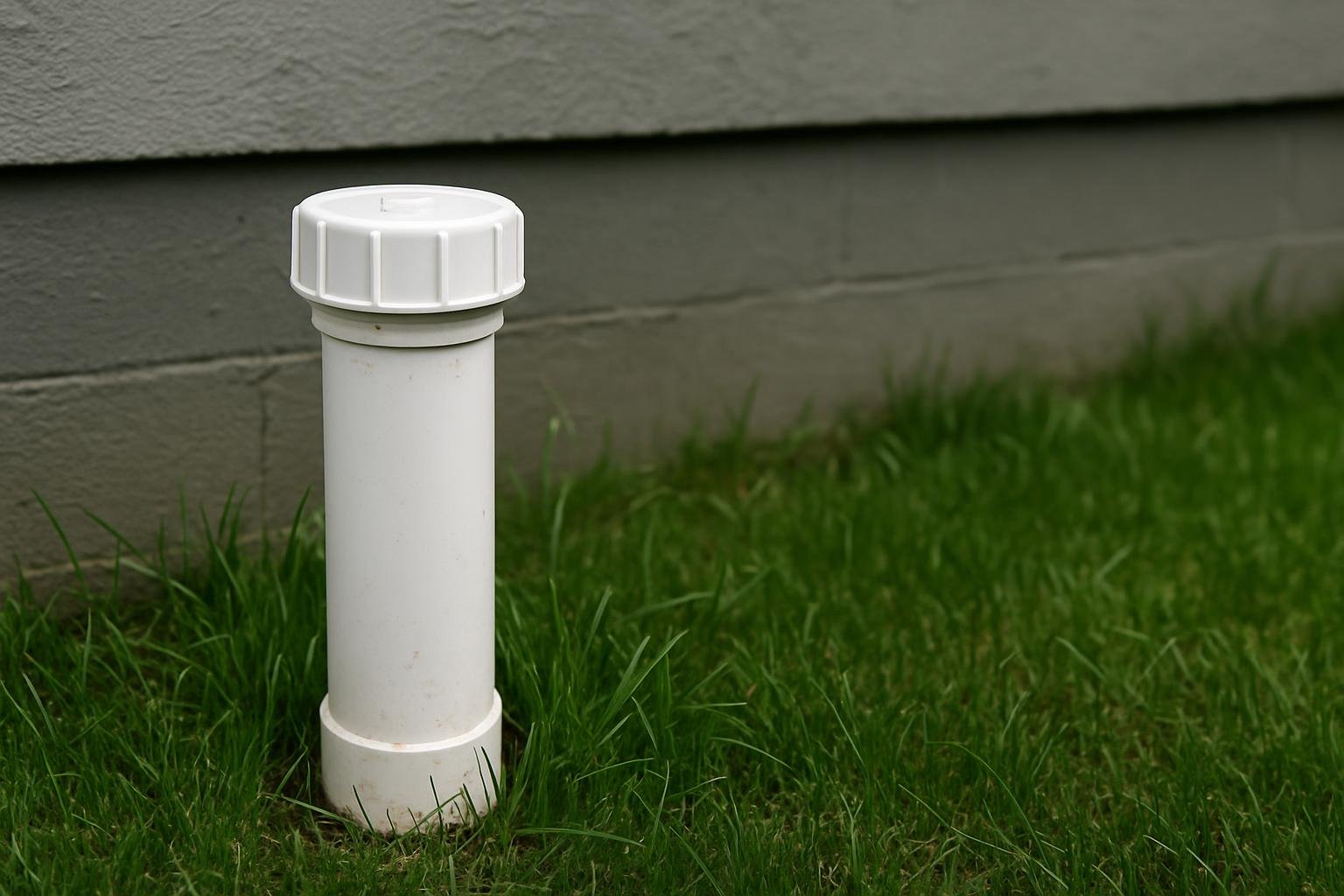
The code expects one at the junction of building drain and building sewer or within ten feet upstream, and again wherever the line turns more than 45 degrees. A line with no accessible opening costs more to reach every single time.
The recurring blockage is a material question
Wipes, swabs, floss, paper towels and cat litter collect on fats, oils and grease already coating the pipe wall. If the same fixture blocks twice in a year, the deposit is the job, not the object.
One building, one building sewer, and the exception that is not
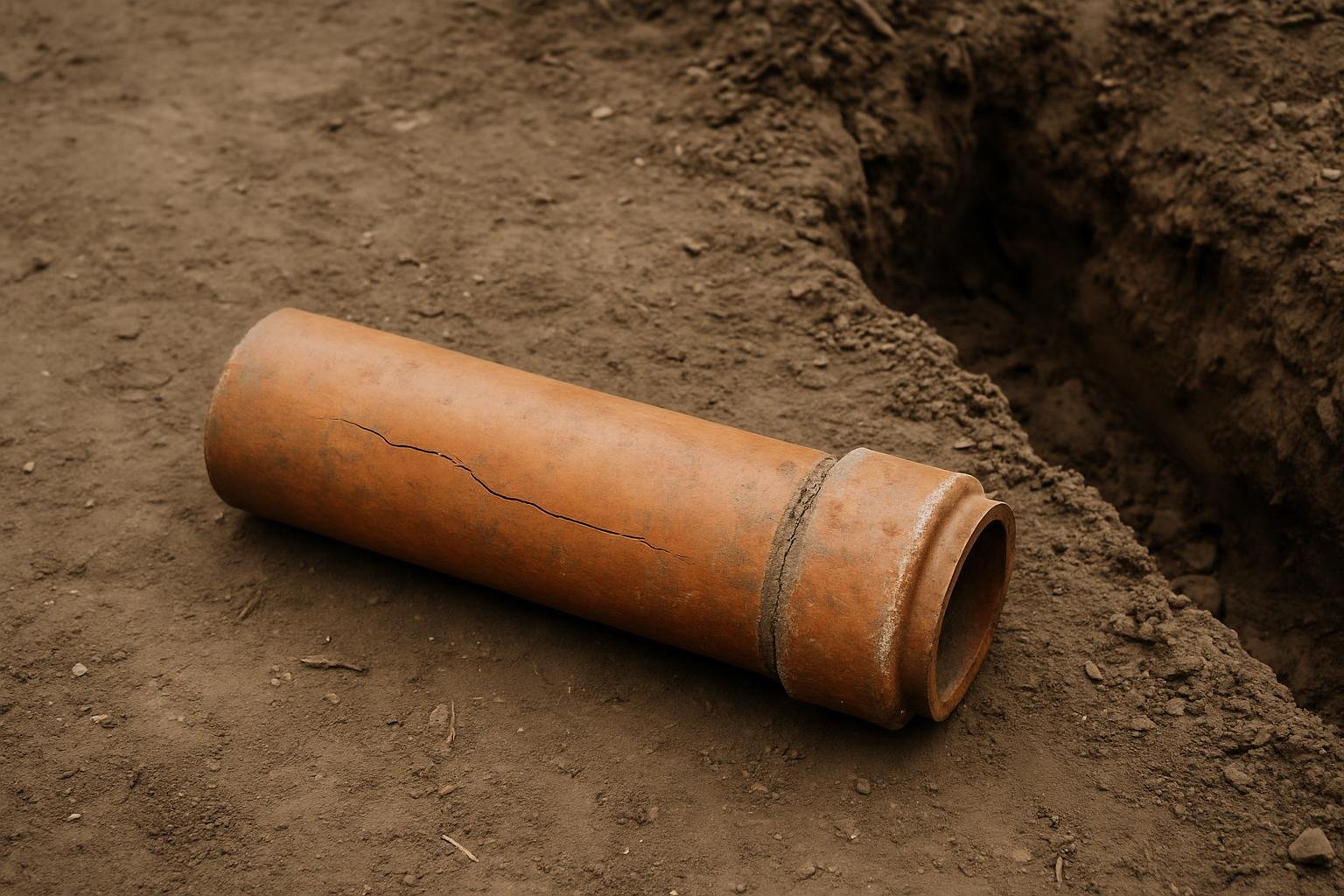
Fayetteville, North Syracuse and East Syracuse all require a separate and independent building sewer for every building, with a narrow exception where one building stands at the rear of another on an interior lot and no separate route exists, in which case the front building's sewer is extended and the whole run is treated as one building sewer. Fayetteville adds that a multiple-dwelling structure needs at least one separate building sewer for every group of six or fewer family dwelling units unless the county Division of Drainage and Sanitation agrees otherwise.
Source: Village of Fayetteville Code section 133-11; Village of North Syracuse Code section 197-13; Village of East Syracuse Code section 277-5B, accessed 2026-09-08
Section P3005.2.3 of the New York residential code requires that the junction of the building drain and the building sewer be served by a cleanout at the junction or within 10 feet of developed piping upstream of it. Section P3005.2.2 requires building sewers smaller than 8 inches to have cleanouts at intervals of no more than 100 feet, and section P3005.2.4 requires a cleanout where a building drain or building sewer changes horizontal direction by more than 45 degrees.
Source: 2020 Residential Code of New York State, Section P3005.2, via UpCodes, accessed 2026-09-08
WEP states that plumbing and wastewater systems are designed to handle only human waste and toilet paper, and lists as unflushables all wipes including baby, personal care and cleaning wipes, plus cotton balls, cotton swabs, dental floss, hair, tissues, paper towels, sanitary products, diapers, cat litter and animal waste. It explains that these items collect in pipes on soapy build-up and deposits of fats, oils and grease, leading to sewer blockages and wastewater back-ups.
Source: Onondaga County Department of Water Environment Protection, accessed 2026-09-08
What drain cleaning involves
One fixture, one house, and the village shared-run exception
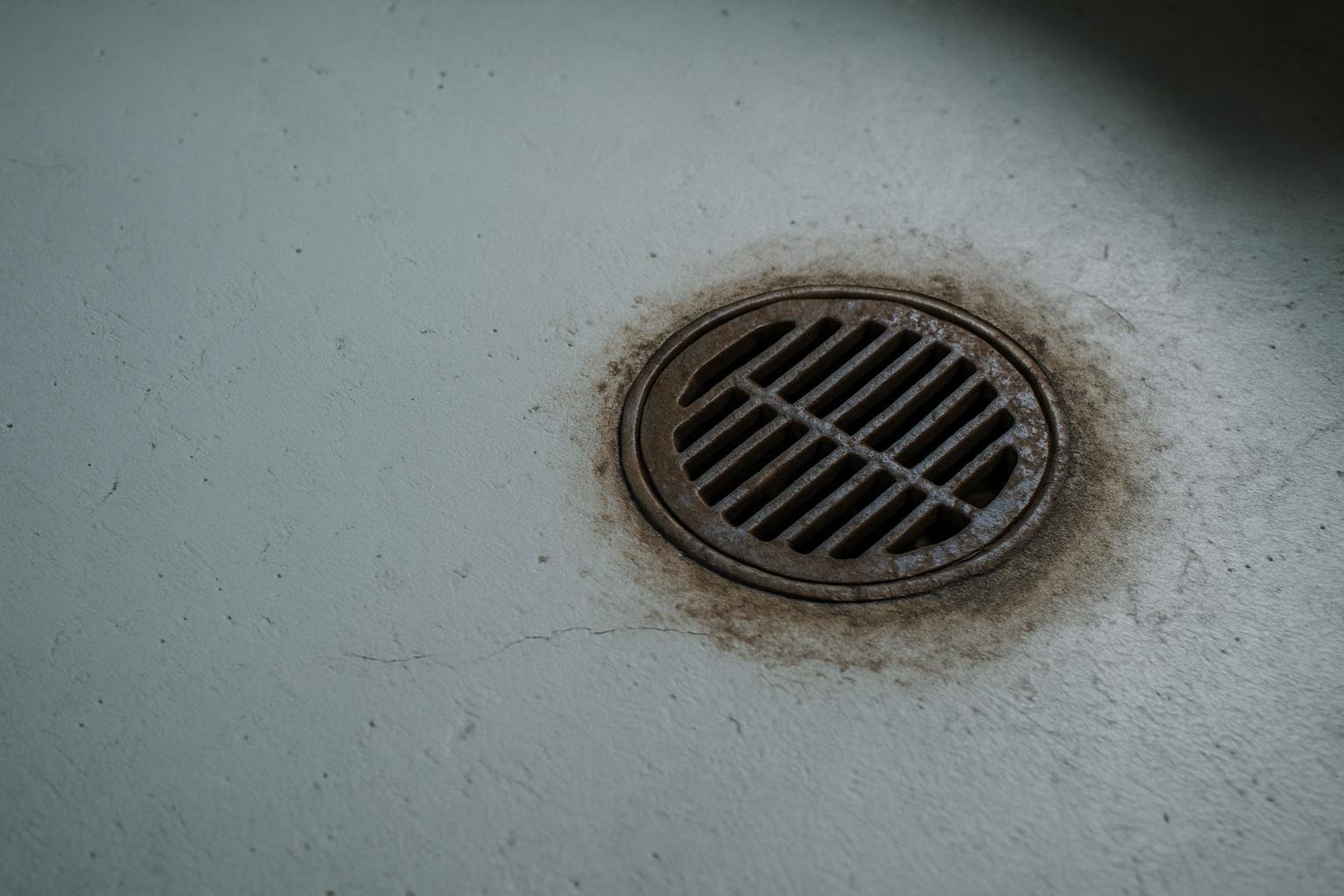
A blocked basin, tub, toilet or laundry standpipe usually comes back to life the same visit, and in North Syracuse the useful extra question is whose pipe it empties into. Village code requires a separate and independent building sewer for every building, with one narrow exception: where a rear building sits on an interior lot with no separate route available, the front building's sewer is extended and the whole thing is treated as a single building sewer. On those lots a blockage is one pipe with two households upstream of it, and clearing your own fixture will not settle who caused it or who deals with it next time.
Is it one fixture or the whole house?
Tell us what still drains normally and we will say whether this is a branch line visit or something bigger.
What North Syracuse owners ask about a single slow drain
The house behind mine drains into the same pipe. Whose blockage is it?
That arrangement is permitted here, and the village treats the extension and the front building's sewer as one building sewer, which is why the answer is rarely obvious from the symptom alone. What settles it in practice is where along the run the obstruction sits: upstream of the junction it is one household's, downstream of it the run serves both.
There is no cleanout in my North Syracuse yard. Does that matter for a sink?
Not for a sink, no. A branch line is reached through the trap arm or the vent. It matters the day the whole house slows, because then the line has to be entered somewhere, and fitting an access point in the yard is cheaper as planned work than as part of an emergency.
Tell us which North Syracuse drain is blocked
Send your ZIP code and what you are seeing. There is no obligation, and if one visit clears it we will say so.