
Syracuse and Onondaga County

Four drain jobs, and the right crew for each
Pick the drain that is slow and see which kind of contractor to send.
What is the drain doing?
- One drain is slow or cloggedUsually means a branch line: that one fixture's own pipe.Send: Drain cleaning
- Several drains are slow, or it keeps coming backUsually means the main line or the lateral under the yard.Send: Main line cleaning
- Water came up through a basement drainUsually means a sewer backup, shown first by the lowest drain.Send: Backup crew
- I need a camera look or a repair priceUsually means a damaged lateral that needs a camera first.Send: Camera and repair
- Not sure what it isSay what you see and we will name the job.Send: We will sort it
- Licensed, insured contractors
- No obligation
- Phones answered 24/7
Get the right crew
Say what the drain is doing and the right crew follows up.
What people ask about drain and sewer work
Every drain in the house is slow. Is that the same job?
No, and it is the distinction worth getting right before anyone is booked. A branch line serves one fixture and is a short run inside the house. The lateral is the single pipe that takes everything out to the public main, and when that narrows every fixture slows at the same time and the lowest opening overflows first, which is usually the basement floor drain. Clearing a sink trap when the lateral is the problem fixes nothing. The test costs nothing: run the washing machine and watch the floor drain.
Everyone says it is roots. Is it roots?
Sometimes, and less often than the trade implies. The EPA's analysis of sanitary sewer overflows found that of the line blockages reported, the most common cause was buildup of oil and grease, with tree root intrusion second. Roots are real here, and the USDA Forest Service counted 890,000 trees in Syracuse with maples making up a third of the street trees, so a pre-1950 city lateral under a maple is a genuine root candidate.
But a line that blocks every year in a yard with nothing growing over it is a grease line, and cutting roots that were never there is an expensive way to find that out.
Sewage is coming up right now. What do I do first?
Stop everything that puts water into the drains: no flushing, no showers, no washing machine, no dishwasher. All of it comes back up in the same place while the line is blocked. Keep people and pets out of the water, and if it is near an outlet or an appliance, turn off power to that part of the basement at the panel. Then call.
Phones are answered 24/7 and the three things worth having ready are what is backing up, where in the house it is, and whether it is raining outside.
How do I know whether this is a cleaning or a dig?
A recorded camera survey is the only honest way to tell, and it tells you before anyone quotes. It shows the pipe material, whether the joints are open, whether roots are in and where they came through, whether a section holds water, and the distance from the house to whatever is wrong. Most blockages are cleared rather than dug up, and the federal data points the same way: the most common cause of line blockages is grease buildup, which comes out.
What sends a line toward replacement is condition rather than a blockage, and condition is exactly what a camera reports on.
The four jobs
Which fixtures are slow sorts people faster than what the blockage turns out to be. One sink backing up while the rest of the house drains is a branch line inside the building.
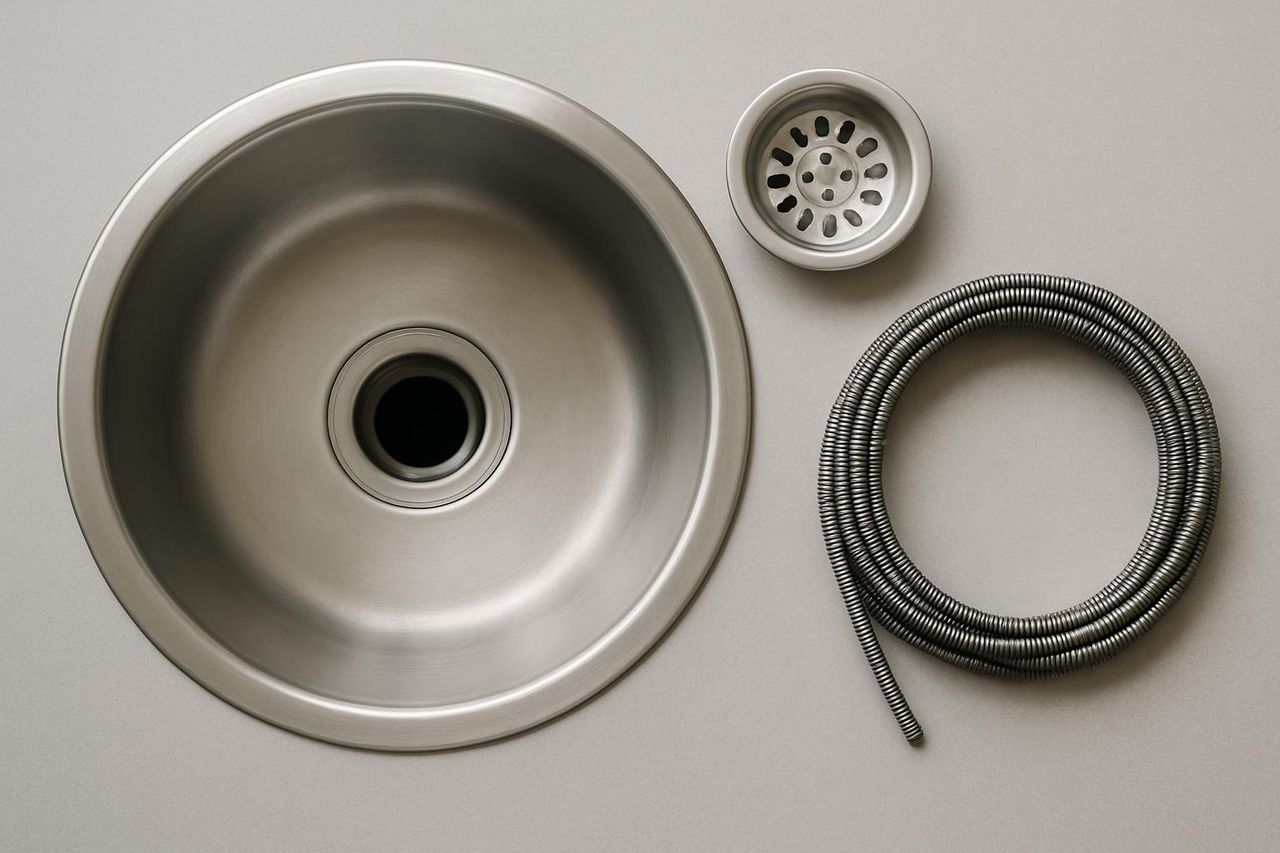
Drain cleaning
Usually when one sink, tub or toilet is slow or blocked and the rest of the house still drains.
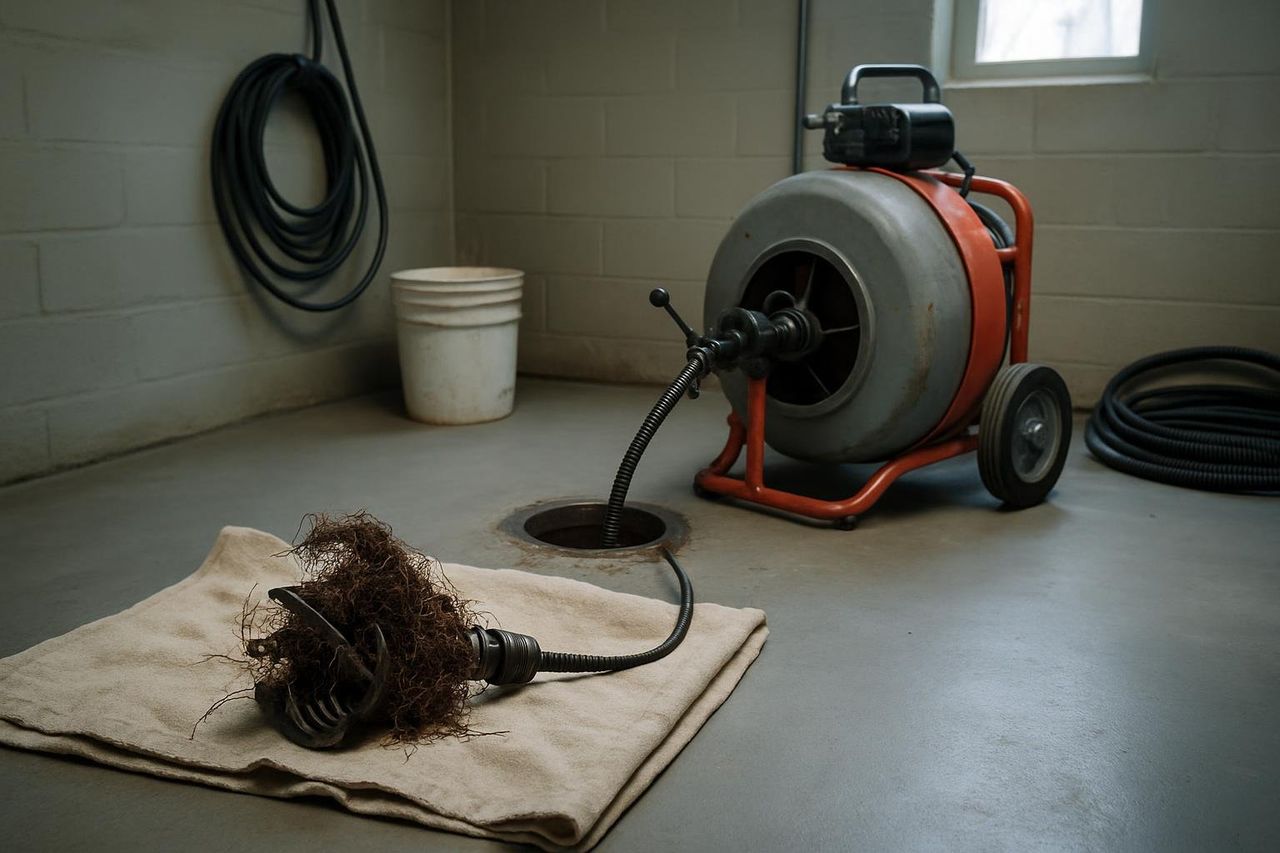
Main line cleaning
Usually when the whole house drains slowly, or the same line has blocked more than once.
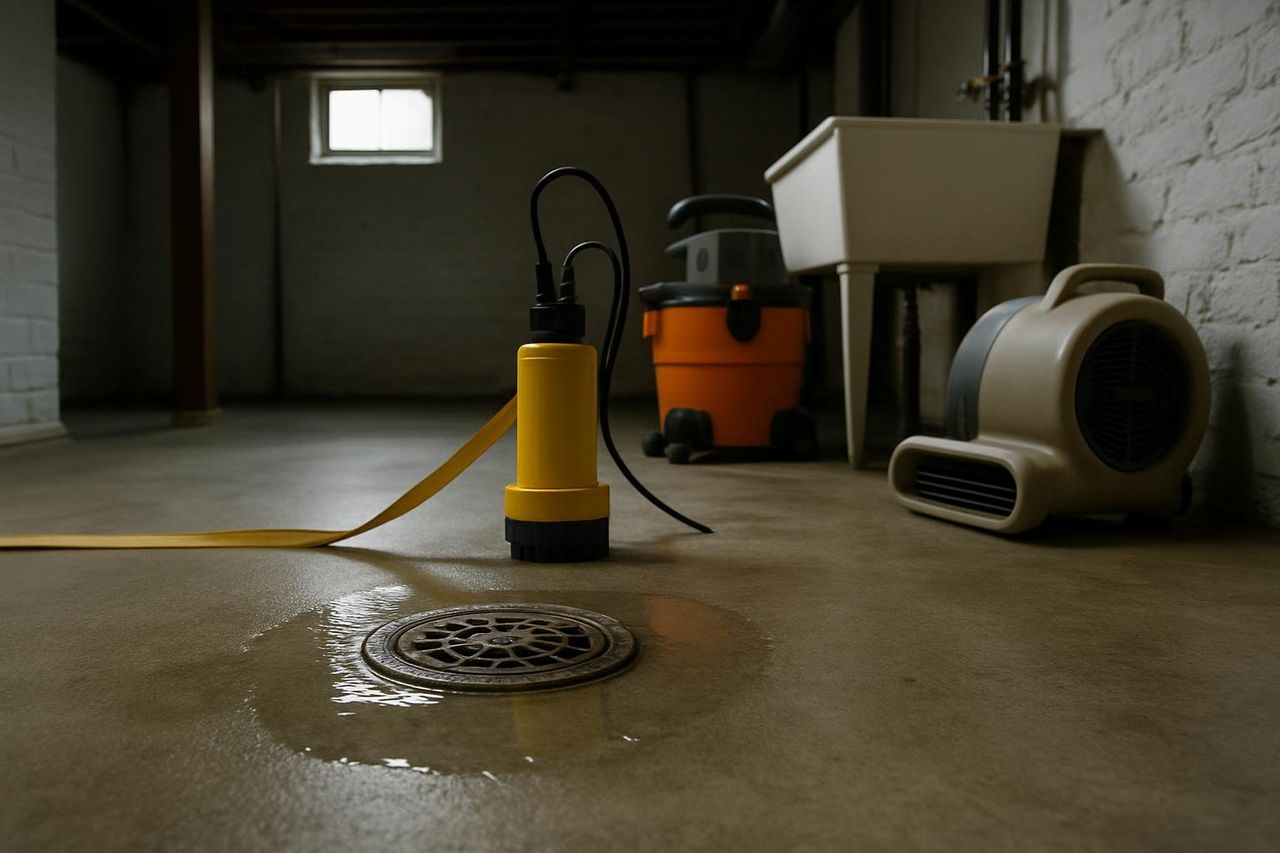
Backup crew
Usually when sewage or wastewater has come up through a floor drain, a tub or a toilet.
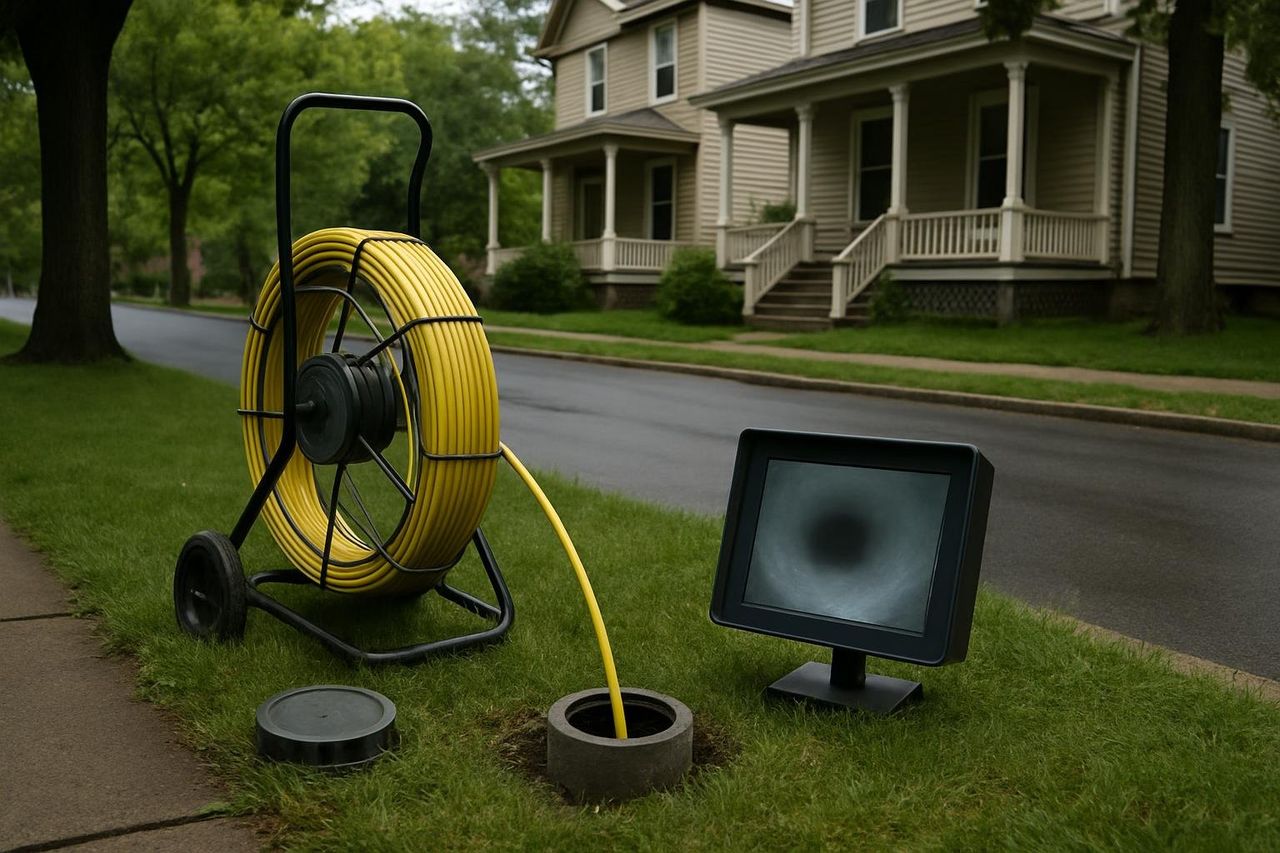
Camera and repair
Usually when somebody has told you the line needs replacing and you want that established before you commit.


How a drain job starts here
What you get with the credit
Say what the drain is doing and claim the credit on your first booked job.
- Phones answered 24/7.
- Licensed, insured plumbing contractors. Onondaga County requires licensed plumbing contractors to keep certificates of insurance on file with WEP Plumbing Control.
- No obligation, and no pressure to dig. A blockage that clears is a service call, and we would rather say so.
- Credited by us on your first booked job.
- One credit per customer per property, on the first booked job.
- Valid through December 31, 2026.
Before you send anything
The Drain Cleaning Syracuse guarantee
- Sending details creates no obligation.
- We pay for the credit ourselves.
- Your $100 credit applies to your first booked job.
- Not happy with the visit? Call us. We will talk to the contractor with you.
This covers our introduction, the credit and our follow-up. The contractor's work falls under your agreement with them. Guarantee terms
Drain Cleaning Syracuse · (315) 640-3590
Who pays: the curb line
This is the line that decides who pays in the City of Syracuse. A private repair is expected to reach the curb line, and a blockage proven to sit under the road is handed to the City rather than billed to the homeowner. Make the contractor demonstrate where the obstruction is before agreeing to dig in the street.
Checked against Onondaga County Examining Board for Plumbers, Requirements for Implementation of the New York State Fire Prevention and Building Code (checked September 8, 2026).
- Yours: the pipe inside the house and out across the yard to the curb line.
- Public: the sewer under the street, which the City or the County answers for.
Not sure which of the four jobs this is?
Describe the drain and name your town. A licensed, insured contractor who covers it takes it from there.