
Sewer Line Cleaning and Root Removal on Salina Laterals
Before a cutting head goes into a Salina lateral, it is worth knowing what the pipe is made of, because on one common material the tool that clears it can also finish it.
Sewer Line Cleaning quote in Salina
Share a few details so we can confirm coverage and arrange the right next step.
Would you rather talk it through? Call (315) 640-3590, answered 24/7.
$100 off your first job
Credited by us on your first booked job.
- One credit per customer per property, on your first booked job.
- Valid through December 31, 2026.
Mention this offer when you book. Full terms.
Wetzel Road since 1976, and the pipe no record identifies
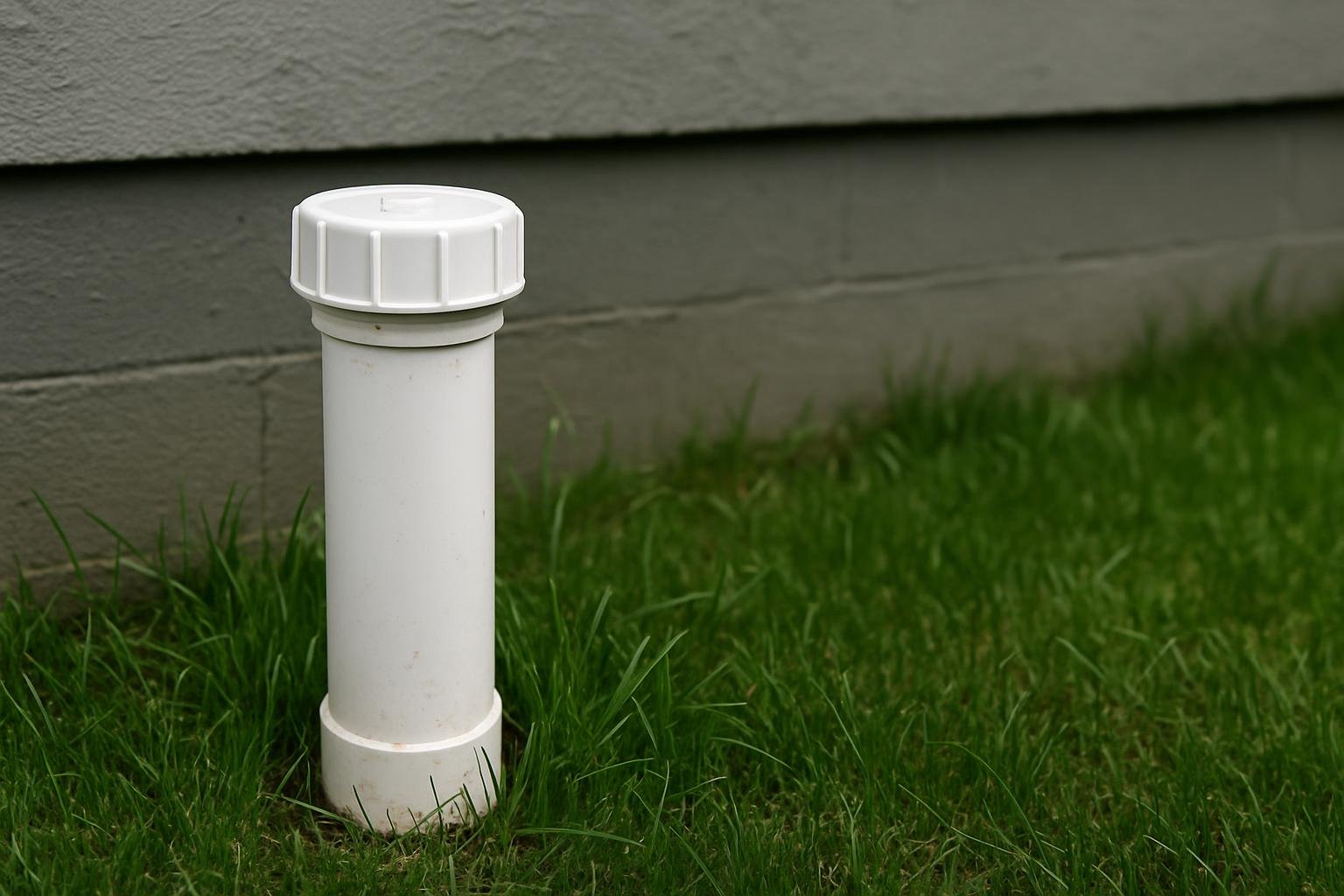
The Wetzel Road Wastewater Treatment Plant at 4020 Wetzel Road, Liverpool, was created in 1976 when the county legislature consolidated three sanitary districts and upgraded the Morgan Road plant, to provide sanitary sewers to portions of the towns of Salina and Clay. By 1980 population growth required the plant to double its capacity.
Source: Onondaga County Department of Water Environment Protection, accessed 2026-09-08
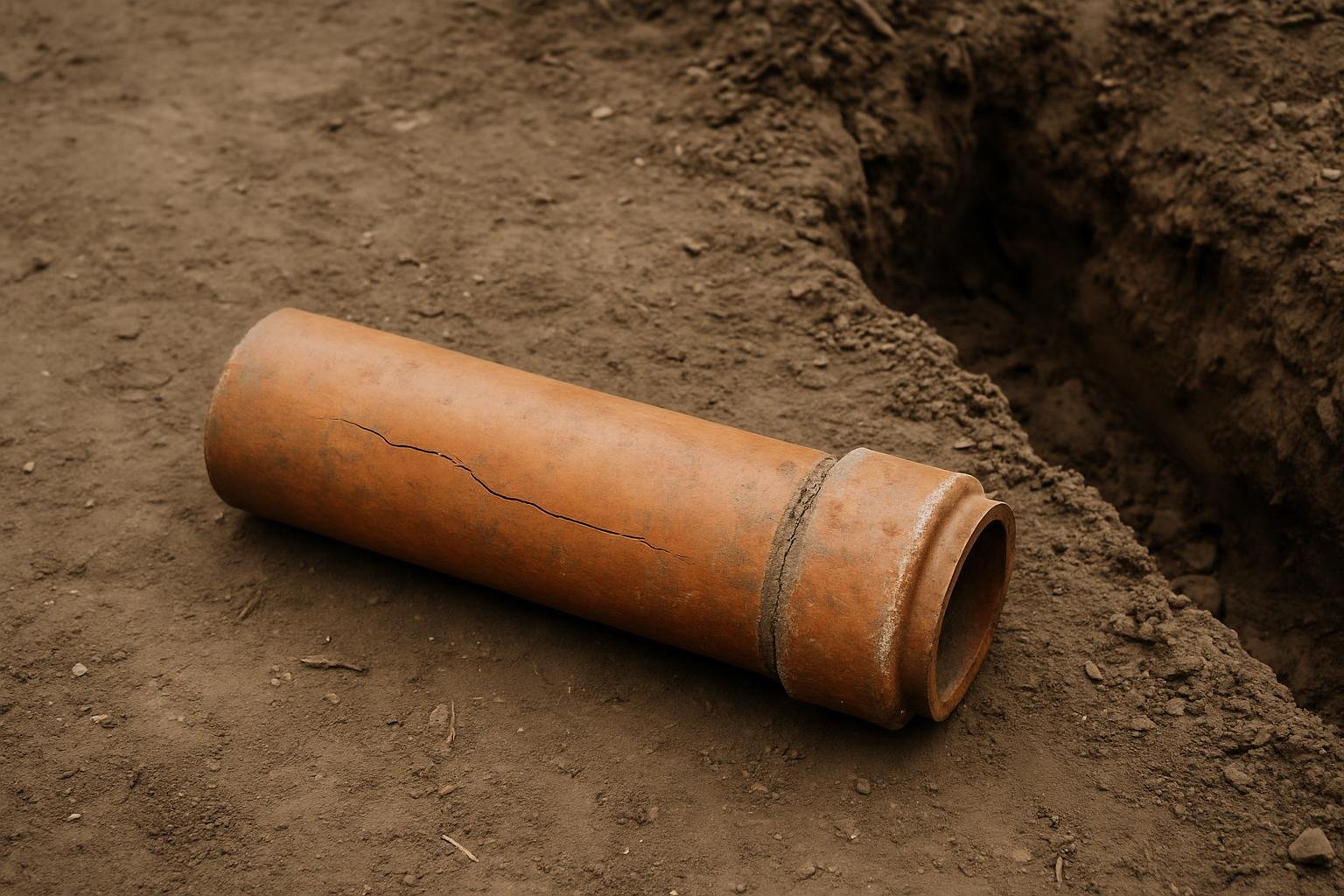
The City of Ann Arbor's building department describes Orangeburg as the brand name of a bituminous fiber pipe made from plant-based fibers and asbestos soaked in a tar-like substance, manufactured to ASTM D-1861 for homogeneous pipe and ASTM D-1862 for the laminated wall version, and states that bituminous fiber piping systems have experienced numerous failures over the years with many needing complete replacement. It puts the usage window at roughly the early 1950s to the early 1970s, with reports of it in homes as early as 1949, and notes that no municipal record identifies which houses have it. It lists a video scan of the line as a way to identify it and warns that inserting a rooter, snake or mechanical cutter may yield clues but may also further damage the pipe.
Source: City of Ann Arbor, Building, Rental and Inspection Services, accessed 2026-09-08
WEP states that tree roots are naturally inclined to grow toward moisture and that a sewer line gives them all the moisture they need, that roots can intrude and then continue to grow and multiply until they clog the sewer pipe, and that they can eventually crack it. The department's advice is to be mindful of where the sewer line runs before planting.
Source: Onondaga County Department of Water Environment Protection, accessed 2026-09-08
What the pipe is made of decides the tool in Salina
Most of Salina drains to the Wetzel Road plant on Wetzel Road in Liverpool, created in 1976 when the county consolidated three sanitary districts and already doubled in capacity by 1980. That is the public half. The private half is the lateral under your yard, and here the material question comes before the blockage question, because the building department that has published most on bituminized fiber pipe warns that inserting a rooter, snake or mechanical cutter may yield clues but may also further damage it, and notes that no municipal record identifies which houses have it. On a town this heavily mid-century, a camera ahead of the machine is not an upsell, it is the order that protects the pipe.
Sequence, not speed, on a Salina main line
Weigh the order of work above the price of any single step. Where the house sits in the mid-century window, look before you cut: a video scan identifies the material and shows whether the run still holds a round section. Weigh the root question properly as well, because the county's description is that roots grow toward moisture, find it at a leak, then multiply until they clog the pipe and can eventually crack it. That makes a root cut a temporary measure whose value depends entirely on the joint behind it. And in a basin that had to double its capacity within four years, keeping clear water out of the sanitary line is treated seriously by the county.
Identify the material before choosing the head
No municipal record says which houses have bituminized fiber pipe, and a mechanical cutter can damage it further. A video scan is the identification method and it belongs first in the sequence.
Ask what the roots came through
Roots reach a sewer by following moisture to a defect. The cut restores flow; the joint decides whether you are back next year. Both belong in the report.
Keep clear water out of the sanitary side
Salina drains to a plant that doubled its capacity within four years of opening. Sump and downspout connections into the sanitary sewer are taken seriously here and are cheap to check.
Do you know what your lateral is made of?
Tell us the age of the house and we will say whether the camera should go in before the cutting head.
Other lateral and root work we arrange across Salina
Questions Salina owners ask before a machine enters the line
Can cabling damage a Salina sewer line?
On one material, yes. The clearest published warning about bituminized fiber pipe is that inserting a rooter, snake or mechanical cutter may yield clues but may also further damage the pipe, and that material was in ordinary use through the years most of this town was built. That is the whole argument for putting a camera in front of the machine on a house of the right age.
Where does Salina sewage go?
Most of the town goes to the Wetzel Road Wastewater Treatment Plant in Liverpool, created in 1976 when the county legislature consolidated three sanitary districts and upgraded the Morgan Road plant, and doubled in capacity by 1980 as the population grew. That history is why the county pays close attention to stormwater and groundwater reaching the sanitary sewer in this basin.
Tell us what the Salina lateral is doing
Send your ZIP code and what you are seeing. There is no obligation, and we will say what order the work should run in.