
Sewer Backup and Basement Flooding Inside the City of Syracuse
First the line comes open and the house drains. Then we settle whether that water was yours or the street's, because on a city floor those two look identical and cost nothing like the same.
Sewer Backup quote in Syracuse
Share a few details so we can confirm coverage and arrange the right next step.
Would you rather talk it through? Call (315) 640-3590, answered 24/7.
$100 off your first job
Credited by us on your first booked job.
- One credit per customer per property, on your first booked job.
- Valid through December 31, 2026.
Mention this offer when you book. Full terms.
Two ways a Syracuse basement takes sewage, and how they differ
Getting the house draining again is the same first hour anywhere. What is different inside the city line is the second question, because a Syracuse street carries sewage and stormwater in the same pipe and a surcharge in that pipe puts water into a basement with nothing wrong in the house at all. The county is spending five million dollars reconfiguring the flow regulator at Evans Street between Maltbie Street and Leavenworth Avenue, excavating to nearly thirty feet with the stated aim of cutting how often CSO 066 overflows, work that began on site in January 2026. Knowing which of the two you had is what stops it repeating next spring.
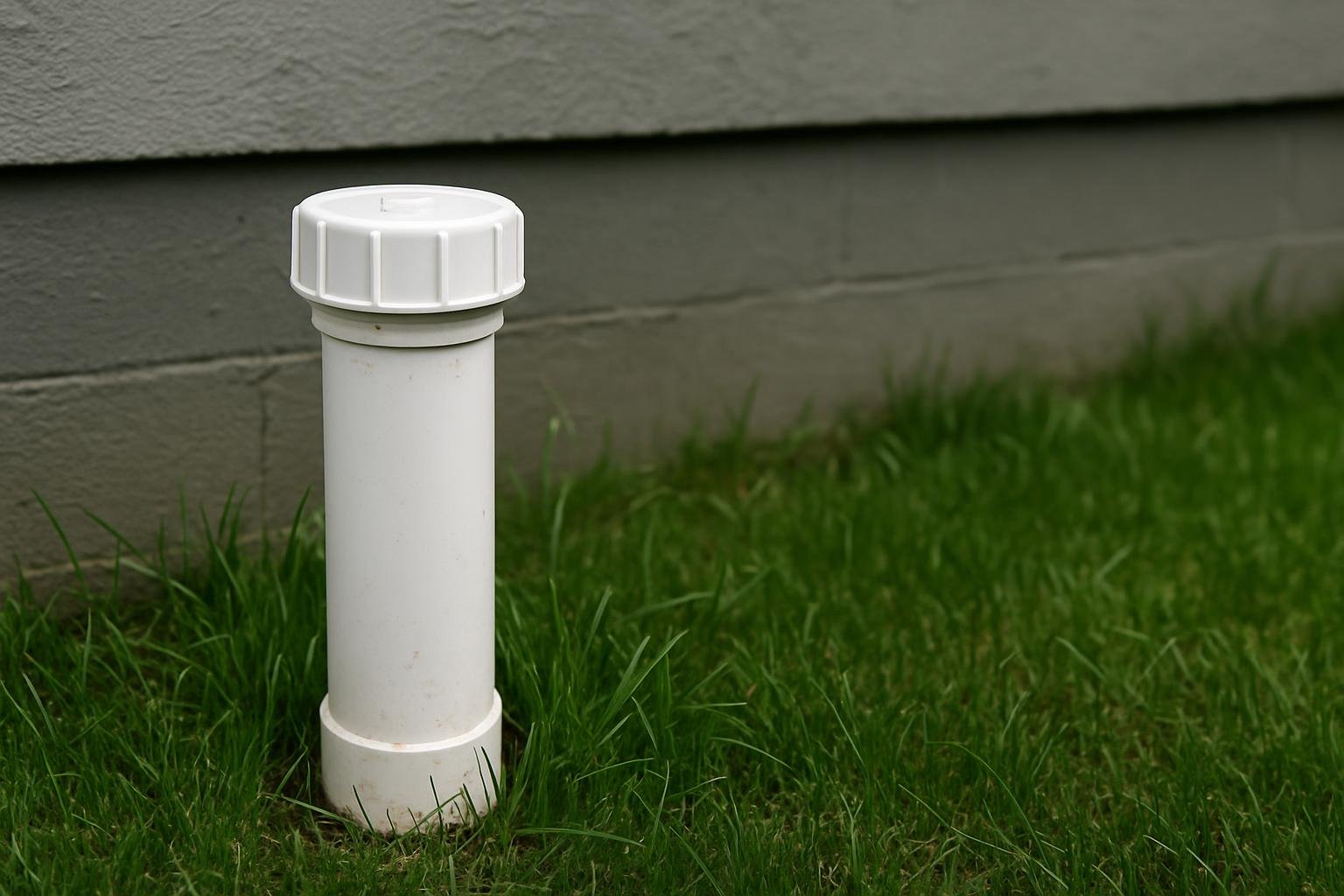
What sewer backup involves
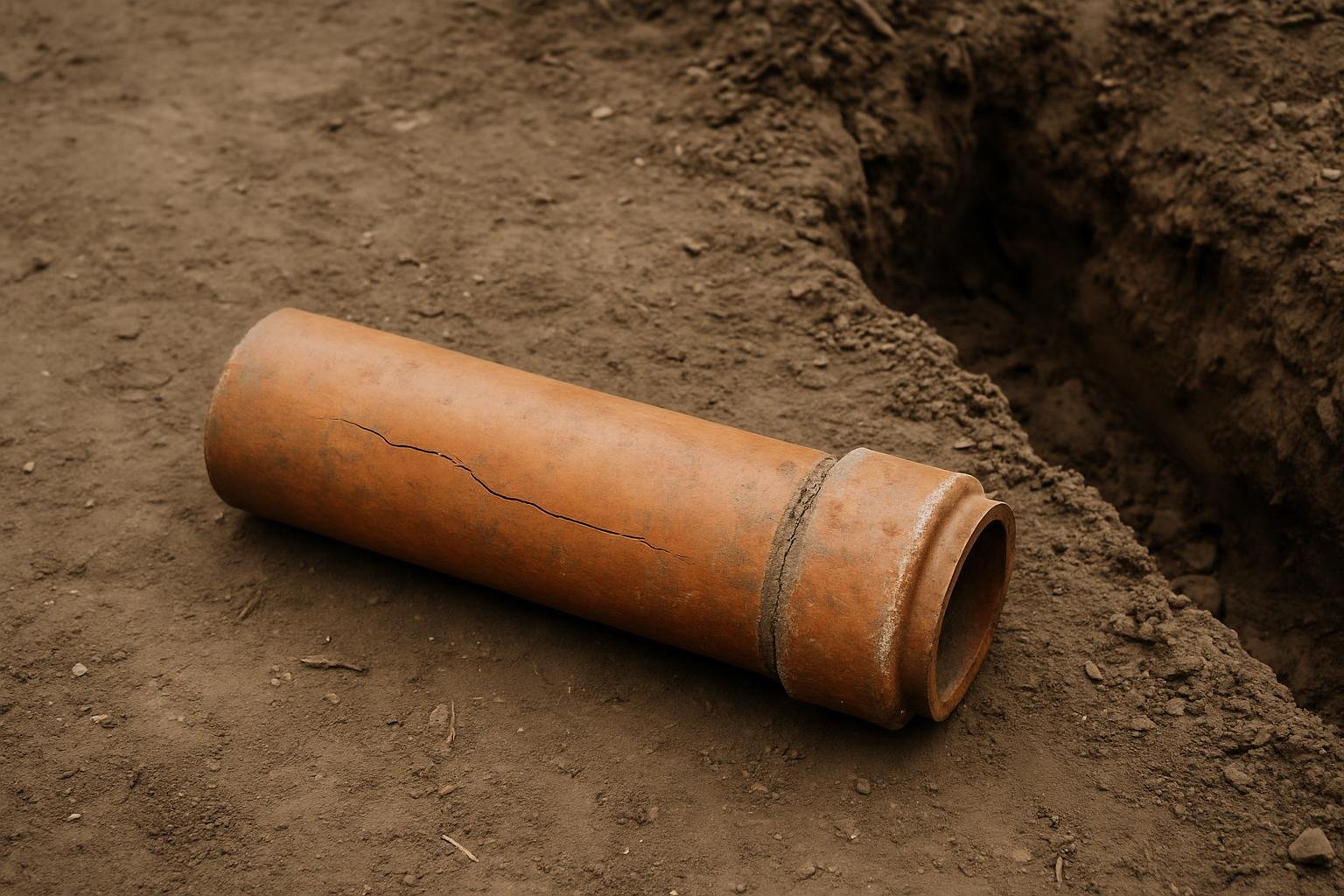
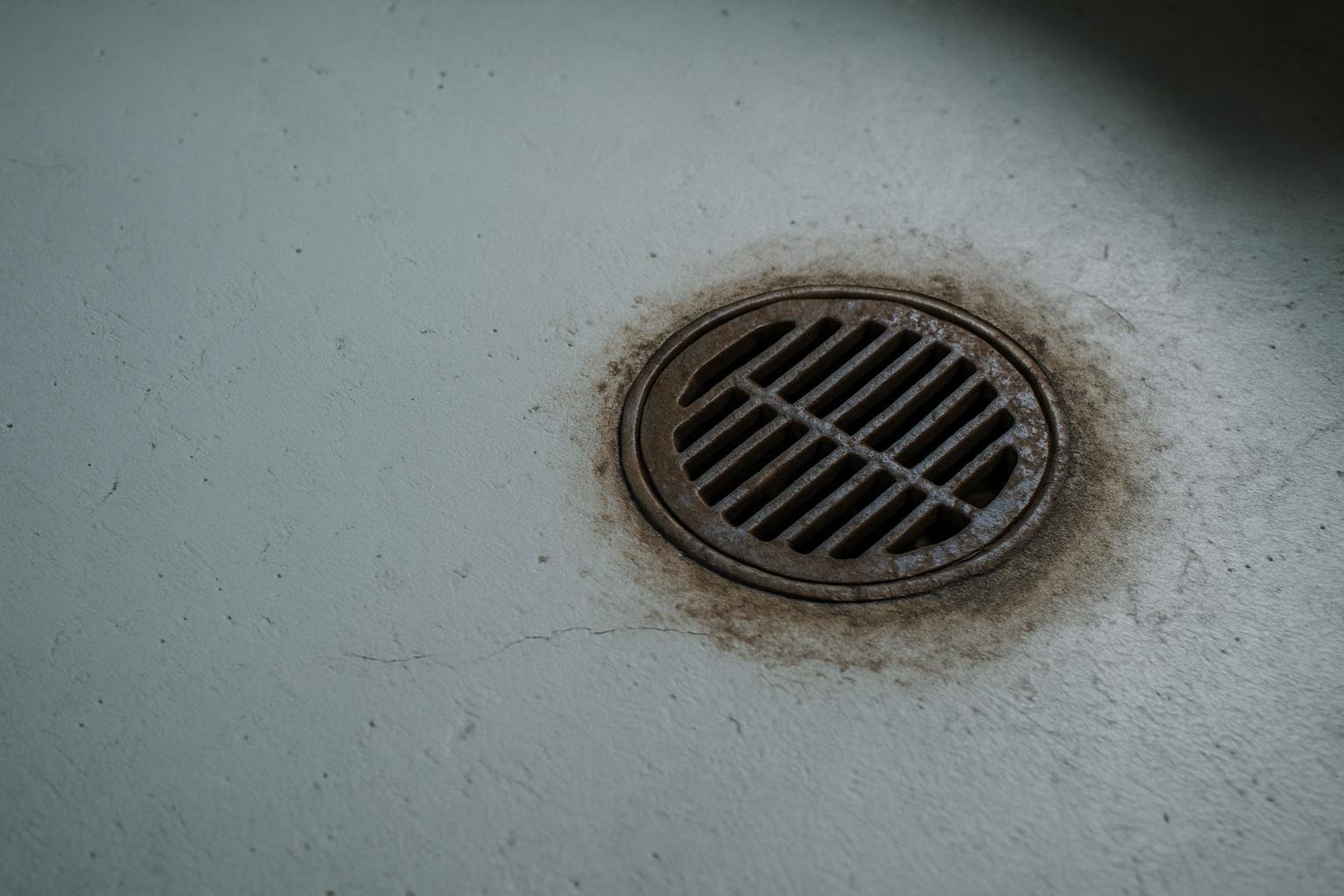
What to establish while the water is still on the floor
Weigh the timing above everything else. Water that arrives during or just after heavy rain or a fast thaw, in a house whose drains were fine the day before, behaves like a surcharge in the street. Water that built up over weeks of slow drains behaves like a blockage in your own lateral. Note the hour it started, photograph the level line, and keep it, because New York's Sewage Pollution Right to Know Act requires the operator of a public sewer system to notify the public through electronic media no later than four hours after discovering a discharge, and that timestamp may line up with yours.
Write down the hour it started
A public overflow has to be reported to the state and the local health department within two hours of discovery and to the public within four. Your own timestamp is what makes that record useful to you.
Do not clean up before you have photographed it
The EPA is blunt about what follows sewage contact: the area must be thoroughly cleaned and disinfected, and rugs, curtains, flooring, wallboard and upholstered furniture that touched it usually have to be replaced.
A city backup has a city phone number
Onondaga County directs City of Syracuse properties to the City Department of Public Works on 315-448-2489 rather than to the county line, so make that call first and log the time.
The combined system, the Evans Street work and the four hour rule
WEP is spending $5 million reconfiguring the flow regulator structure at Evans Street in Syracuse to improve sewer hydraulics and increase system capacity, with the explicit aim of reducing the frequency of combined sewer overflows at CSO 066. The work involves excavation to nearly 30 feet, began on site in January 2026 and is expected to be substantially complete by September 2026, affecting Evans Street between Maltbie Street and Leavenworth Avenue.
Source: Onondaga County Department of Water Environment Protection, accessed 2026-09-08
WEP states that in Onondaga County the City of Syracuse has a combined sewer system, in which sewage and stormwater share a single pipe, while other municipalities have separate stormwater and sewer systems. During heavy rainfall or snowmelt the volume can exceed the capacity of the combined system, and combined sewer outfalls discharge the surplus into local tributaries.
Source: Onondaga County Department of Water Environment Protection, accessed 2026-09-08
New York's Sewage Pollution Right to Know Act, Environmental Conservation Law section 17-0826-a, requires a publicly owned treatment works or the operator of a publicly owned sewer system to report a discharge of untreated or partially treated sewage, including a combined sewer overflow, to the Department of Environmental Conservation and the local health department no later than two hours after discovery, and to notify the general public through electronic media no later than four hours after discovery.
Source: New York State Senate, Environmental Conservation Law section 17-0826-a, accessed 2026-09-08
The EPA lists the causes of sanitary sewer overflows as inappropriate materials sent to the sewers including fats, oils and grease and products marked flushable such as baby wipes and sanitary pads; tree roots entering through defects or openings in a sewer line; leaky sewers admitting stormwater, groundwater and snowmelt through cracks and faults; inappropriate connections of sump pumps, roof leaders, foundation drains and area drains; improper or inadequate maintenance and cleaning; inadequate pump maintenance; undersized sewers and pumps; and equipment failures and breaks. It also states that where basements flood with sewage the damaged area must be thoroughly cleaned and disinfected and that rugs, curtains, flooring, wallboard and upholstered furniture that contact sewage usually must be replaced.
Source: US Environmental Protection Agency, National Pollutant Discharge Elimination System, accessed 2026-09-08
Water on the floor right now?
Tell us what it looks like, where it came in and when it started. That is enough to say which of the two this is.
Other emergency and drain work we arrange in the city
What city owners ask while the basement is still wet
Is there a public record of the overflow that flooded my Syracuse basement?
There may well be. New York's Sewage Pollution Right to Know Act requires a publicly owned sewer system to report a discharge of untreated or partially treated sewage, including a combined sewer overflow, to the Department of Environmental Conservation and the local health department within two hours of discovery, and to notify the public electronically within four. Match that to the hour your basement started taking water.
My line was cleared and the basement still floods in a storm. What is left?
In the city, capacity. Sewage and stormwater share one pipe here, and during heavy rain or snowmelt the volume can exceed what that pipe carries. Nothing done to a clear lateral changes a surcharge in the street, so the work that helps is protecting the openings below street level rather than cleaning the line again.
Tell us what came up in your Syracuse basement
Send your ZIP code and what you saw. Phones are answered 24/7 and there is no obligation.